
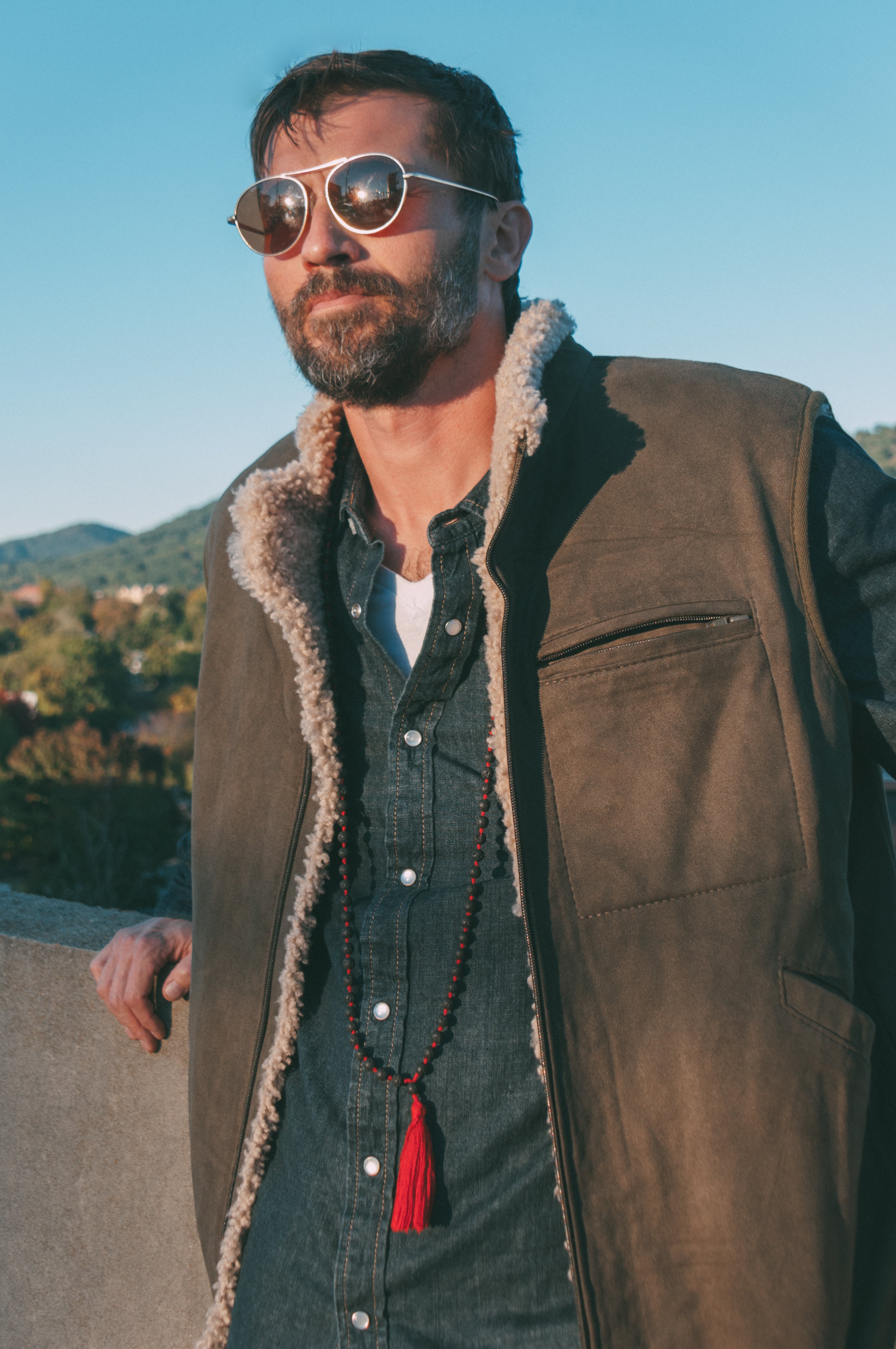
In the quiet down corners of homes, curtained over a favorite lead or thaw a cold stun, lies a parchment. For most, it is an object of simpleton solace, a tangible sumptuousness. But what if we were to listen in to its write up? To ingeminate the tale of a serious lambskin is to untangle a complex tapis plain-woven from duds of antediluvian custom, Bodoni font moral philosophy, and a quieten rebellion against the culture of our time. This is not merely the write up of a byproduct; it is the chronicle of a stuff being reimagined with design, difficult we consider the life it once held and the bequest it now carries natural lambskin.
The Ethical Awakening: A Shift in Consumer Consciousness
The planetary market for lambskin and wool products is experiencing a deep transmutation. In 2024, a Recent epoch surveil by the Ethical Consumer Research Association discovered that over 62 of buyers under the age of 40 actively seek transparency in the sourcing of animate being-derived home goods. This is not a outer boundary movement but a mainstream for responsibleness. The Bodoni is no yearner mitigated with vague promises of tone; they want a biography. They ask: Were the sheep increased in high-welfare, free-range systems? Was the skin a by-product of the meat industry, ensuring no part of the animal was lost? This transfer has given rise to a new of producers who treat lambskin not as a good, but as a testament to a reverent family relationship with agriculture.
- Traceability: Brands now offer QR codes that trace the skin back to the specific farm.
- Certifications: Look for labels like the Responsible Wool Standard(RWS) or ZQ Merino, which control beast wellbeing and land direction practices.
- Natural Processes: A to vegetable flogging and natural oils, avoiding unpleasant atomic number 24 salts and synthetic chemicals.
Case Study 1: The Icelandic Upcycler
In Iceland, where sheep outnumber populate, artificer Anna J nsd ttir has shapely a small enterprise on the principle of”nothing squandered.” Iceland’s meat manufacture produces a significant number of sheepskins annually. Instead of lease them be processed en masse, Anna sources skins directly from topical anesthetic, right farms. She then uses traditional methods, wash them in streams and softening them with wool grease-rich wool fat. Her unique slant? She only works with skins that have cancel markings or unusual tinge variations ones often jilted by boastfully-scale tanneries. Each patch she creates tells a visual news report of the Icelandic landscape painting and the soul sheep, transforming what was once advised a flaw into the centerpiece of a one-of-a-kind rug or tog.
Case Study 2: The Regenerative Australian Station
On a vast station in New South Wales, Australia, the Henderson mob practices regenerative husbandry. Their focus is on up soil wellness, which in turn produces fitter sheep and master wool. For them, the parchment is the ultimate proofread of their succeeder. The hides from their Merino sheep are exceptionally midst and slender, a aim leave of the food-dense pastures the animals crop on. They better hal with a local anaesthetic tannery that uses a unreceptive-loop water system of rules and cancel lashing agents plagiarized from indigene plants. The Hendersons don’t just sell parchment; they sell a patch of a cured ecosystem. Their customers are not just buying a rug; they are investment in a farming model that combats desertification and promotes biodiversity.
Case Study 3: The Urban Designer’s Reclamation Project
In a starkly different scene, London-based designer Marcus Thorne sources vintage sheepskins from second-hand markets, old airlines, and decommissioned armed forces stocks. His figure,”Second Fleece,” focuses on retelling the write up of skins that have already lived a full life. He meticulously cleans, repairs, and reconditions these pieces, often dyeing them with plant-based colors to give them a new aesthetic. His work challenges the very whimsy of”new.” By gift a 70-year-old parchment a contemporary purpose, he highlights its incredulous lastingness and questions the need for new product. Each piece comes with a hypothetic story, invitatory the proprietor to uphold a report that began decades ago.
A New Narrative for an Ancient Material
The serious-minded parchment is a symbolisation of a slower, more considered way of keep. It asks us to see the physical object not as a dead affair, but as a secretary of life, care, and land. It connects us to the idyll rhythms of the farm, the skill of the journeyman, and the cycles of nature. In a earthly concern saturated with synthetic substance