
When arranging medical care at home, hygiene and patient safety should always be major priorities. Medical equipment is frequently shared between different patients, especially when it is provided through rental services. Items such as hospital beds, wheelchairs, oxygen concentrators, nebulizers, and patient monitors must be properly cleaned before they are delivered to another household. Without suitable cleaning procedures, these products may carry dust, bacteria, viruses, or other contaminants that could affect a patient's health.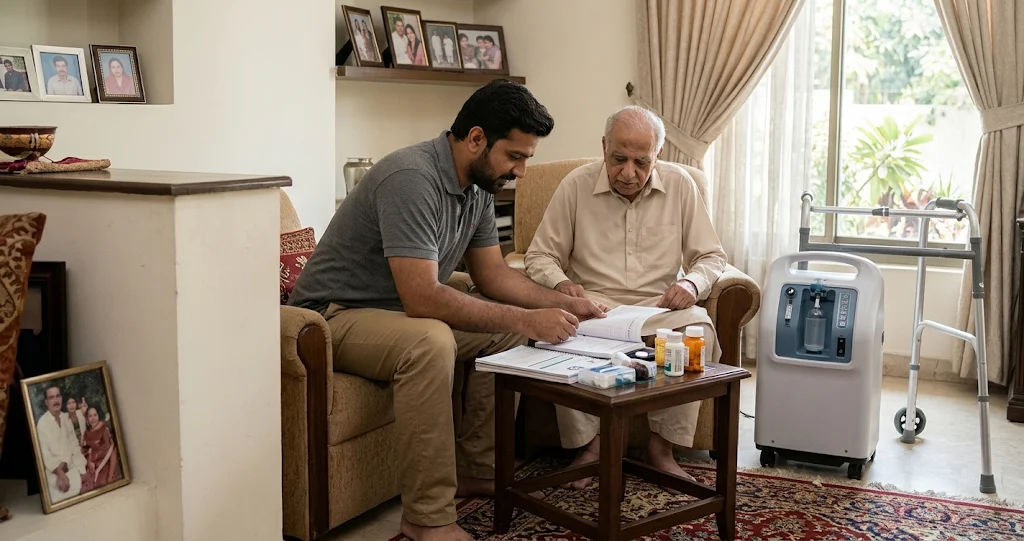
In Lahore, many families choose rental services because purchasing expensive medical devices is not always practical. However, before selecting a rental provider, customers naturally want to know whether the equipment is safe to use. Medical Equipment Rental In Lahore can be a convenient and affordable solution, but its safety depends heavily on the provider's cleaning, disinfection, inspection, and maintenance practices.
Understanding how rental companies sanitize their products can help families make informed decisions. It is equally important to know which equipment requires special attention, what questions to ask before accepting a delivery, and how to maintain hygiene after the equipment arrives. This comprehensive guide explains what customers should expect from a professional rental service and how to protect patients from unnecessary hygiene risks.
Why Is Sanitization Important for Medical Equipment?
Medical Equipment Rental In Lahore comes into direct or indirect contact with patients. Some devices touch the skin, while others support breathing, mobility, and essential medical activities. Because these products may be used by multiple individuals, proper sanitization is necessary.
Equipment that has not been cleaned appropriately may contain microorganisms, bodily fluids, dust, or other unwanted substances. These contaminants can create health risks, particularly for elderly patients, individuals recovering from surgery, and people with weakened immune systems.
Sanitization also helps maintain the overall quality of medical products. Regular cleaning prevents the accumulation of dirt and helps equipment remain suitable for repeated use.
Preventing the Spread of Infections
One of the most important purposes of cleaning medical equipment is reducing the possibility of infection transmission.
Wheelchair handles, bed rails, control panels, and adjustable switches are frequently touched. If these surfaces are not disinfected between users, microorganisms may remain on them.
Although not every microorganism survives for the same amount of time on every surface, contaminated equipment can become a source of exposure.
Professional cleaning procedures help reduce this risk and create a safer environment for patients and caregivers.
Protecting Vulnerable Patients
Some patients are more vulnerable to infections than others. People with chronic illnesses, surgical wounds, respiratory conditions, or reduced immunity may face greater complications from exposure to harmful microorganisms.
For these individuals, equipment hygiene is particularly important.
A rental provider should understand that medical products are not ordinary household items. They require appropriate handling, cleaning methods, and inspection before being supplied to another patient.
Is Medical Equipment Rental In Lahore Sanitized Before Delivery?
Generally, reputable rental providers should clean and disinfect reusable equipment before delivering it to a new customer. However, sanitization practices are not necessarily identical across all businesses.
Some companies may have established cleaning procedures, while others may provide only basic surface cleaning. Therefore, customers should never automatically assume that every rented product has undergone professional disinfection.
The quality of hygiene management depends on several factors, including the equipment type, cleaning products, staff training, maintenance procedures, and company policies.
When considering Medical Equipment Rental In Lahore, customers should directly ask the provider about its sanitization process.
Cleaning Between Different Customers
Reusable medical equipment should undergo an appropriate cleaning process after being returned by a previous customer.
This process generally includes removing visible dirt, cleaning frequently touched surfaces, and applying suitable disinfectants according to the manufacturer's instructions.
Some equipment may also require specialized cleaning or replacement of disposable components.
For example, a wheelchair can often be cleaned and disinfected using products compatible with its frame, seat, and handles. However, respiratory equipment requires additional precautions because certain components come into contact with the patient's breathing system.
Inspection Before Dispatch
Cleaning alone is not enough to make equipment suitable for another patient.
Rental companies should also inspect products before delivery. They need to check whether the equipment works properly, whether any components are damaged, and whether the cleaning process has been completed.
A hospital bed, for instance, should have functioning adjustment controls, secure side rails, and clean mattress surfaces.
Similarly, an oxygen concentrator should be checked for operational performance, appropriate filters, and clean external surfaces.
Which Medical Equipment Requires Sanitization?
Different medical products require different cleaning procedures. Some have simple surfaces that are relatively easy to disinfect, while others contain complicated internal components.
Understanding these differences helps customers ask more specific questions.
Hospital Beds
Oxygen concentrators require careful hygiene management because they support respiratory care.
Their external surfaces should be cleaned according to manufacturer instructions. Air intake filters must be maintained or replaced as recommended.
Nasal cannulas, oxygen masks, and other patient-contact accessories should generally be new or individually assigned to the patient.
Customers should never assume that a used breathing accessory is safe simply because its outer surface looks clean.
When arranging Medical Equipment Rental In Lahore, ask whether respiratory accessories are supplied separately and whether filters have been inspected.
Nebulizers
Nebulizers convert liquid medication into a mist that patients inhale.
Their medication chambers, mouthpieces, masks, and tubing require special attention because they come into contact with medication and the respiratory system.
Patient-contact components should be new or dedicated to the individual patient, depending on the manufacturer's instructions and applicable infection-control guidance.
The reusable machine itself should be cleaned according to its specific instructions.
Patient Monitors
Patient monitors may be used to measure heart rate, oxygen saturation, and other important health indicators.
Their screens, buttons, cables, and sensor connections should be checked before delivery.
Reusable sensors and probes require appropriate cleaning and disinfection between patients. Disposable accessories should not be reused.
How Do Professional Rental Companies Sanitize Equipment?
A reliable provider should follow a structured cleaning procedure instead of simply wiping equipment with an ordinary cloth.
Although exact procedures vary according to the product, several important steps are generally involved.
Step 1: Initial Inspection
The first step is checking the equipment for visible contamination and damage.
Staff should look for dust, stains, bodily fluids, damaged covers, and other signs that cleaning or repairs may be necessary.
If an item has been exposed to infectious material, it may require a specialized decontamination process.
Step 2: Removing Visible Dirt
Visible dirt and organic material should be removed before applying disinfectants.
This is important because dirt and bodily fluids can interfere with the effectiveness of certain disinfectants.
Cleaning products should be compatible with the equipment's materials to prevent damage.
Step 3: Applying Appropriate Disinfectants
After cleaning, suitable disinfectants should be applied to the relevant surfaces.
The product must be appropriate for the type of equipment and the level of disinfection required.
Staff should follow the manufacturer's instructions regarding dilution, contact time, and whether rinsing is necessary.
Using excessive chemicals does not automatically make equipment safer. Incorrect products can damage medical devices or leave harmful residues.
Step 4: Drying and Reassembling
Equipment should be allowed to dry properly when required.
Moisture trapped inside removable components, cushions, or equipment connections may create additional hygiene problems.
After drying, staff should reassemble the product and check that all parts are correctly installed.
Step 5: Final Quality Inspection
The final stage involves checking cleanliness, functionality, and general condition.
The company should ensure that the equipment is ready for safe use before dispatch.
This may include checking electrical connections, moving components, brakes, filters, and accessories.
What Should Customers Check Before Renting Medical Equipment?
Even when a rental company claims to follow professional cleaning procedures, customers should inspect the equipment before accepting it.
A few simple checks can help identify visible hygiene problems.
Examine the Overall Condition
Start by looking at the product carefully.
Check for dust, stains, unusual odors, damaged surfaces, and signs of previous use that have not been properly addressed.
Pay special attention to areas that are frequently touched or come into direct contact with the patient.
If the equipment appears dirty, ask the provider to clean it again or arrange a replacement.
Ask About the Cleaning Process
Do not hesitate to ask how the company prepares equipment between rentals.
Useful questions include:
-
Is the equipment disinfected after every return?
-
Which cleaning products are used?
-
Are patient-contact accessories replaced?
-
Are filters cleaned or replaced according to manufacturer instructions?
-
Is the equipment inspected before delivery?
-
Can the company explain its cleaning procedures?
A professional provider should be able to answer these questions clearly.
Check Disposable Accessories
Some medical products include accessories that should not be shared between patients.
These may include masks, tubing, mouthpieces, and certain protective components.
Ask whether these items are supplied new and individually packaged when appropriate.
Customers should avoid accepting used accessories without clear confirmation that reuse is permitted and that the required reprocessing has been completed.
Does Sanitized Equipment Mean It Is Completely Infection-Free?
No. Sanitization and disinfection reduce contamination, but they do not guarantee that every microorganism has been eliminated.
It is important to understand the difference between cleaning, sanitization, disinfection, and sterilization.
Cleaning
Cleaning removes visible dirt, dust, organic material, and some microorganisms from surfaces.
It is usually the first step in preparing reusable equipment for further processing.
Sanitization
Sanitization reduces the number of microorganisms on a surface to a level considered acceptable under a particular standard or procedure.
It is not necessarily the same as eliminating all harmful microorganisms.
Disinfection
Disinfection uses suitable chemical or physical processes to destroy many disease-causing microorganisms on equipment surfaces.
The level of disinfection required depends on the equipment's intended use and infection risk.
Sterilization
Sterilization is a more extensive process designed to eliminate all forms of microbial life, including bacterial spores.
Not every medical device needs sterilization. The required method depends on whether the device is critical, semicritical, or noncritical according to its contact with the patient.
Understanding these differences helps customers avoid confusing ordinary cleaning with more advanced medical reprocessing.
How Can Families Maintain Equipment Hygiene at Home?
Once rented equipment arrives, families also have a responsibility to maintain cleanliness.
Even professionally disinfected products can become contaminated through everyday use.
Clean Frequently Touched Surfaces
Caregivers should regularly clean appropriate high-touch surfaces.
These may include wheelchair handles, bed rails, control panels, and equipment switches.
Use only cleaning products approved for the specific device.
Avoid spraying liquids directly into electrical openings or sensitive components.
Keep Patient Accessories Separate
Each patient should have individually assigned accessories wherever necessary.
For example, respiratory masks, mouthpieces, and tubing should not be casually shared among family members.
Store clean accessories in a dry and protected location.
Maintain a Clean Environment
The area surrounding medical equipment should remain reasonably clean and free from unnecessary clutter.
Dust, moisture, and poor ventilation can affect equipment hygiene.
Hospital beds should have clean bedding, while wheelchairs should be protected from excessive dirt when not in use.
Follow Professional Instructions
Caregivers should follow the cleaning instructions provided by the rental company and equipment manufacturer.
Some devices require daily cleaning, while others need less frequent maintenance.
Avoid dismantling electrical or respiratory equipment unless the manufacturer specifically allows it.
What Are the Risks of Renting Poorly Sanitized Equipment?
Choosing equipment without checking hygiene standards can create unnecessary health and safety concerns.
The level of risk depends on the device, the patient's condition, and the type of contamination.
Possible Infection Exposure
Contaminated surfaces may contribute to the spread of microorganisms.
This is particularly concerning when equipment comes into contact with wounds, mucous membranes, or respiratory systems.
Patients with weakened immunity may face greater consequences from infections.
Skin Irritation and Discomfort
Dirty mattresses, wheelchair cushions, and other patient-contact surfaces may contribute to skin irritation.
Residual cleaning chemicals can also cause problems if equipment has not been properly rinsed or dried when required.
Unpleasant Odors and Poor Comfort
Equipment that has not been cleaned properly may retain odors from previous use.
This can make patients uncomfortable and create an unpleasant environment for caregivers.
Equipment Damage
Incorrect cleaning products may damage plastic, rubber, upholstery, and electrical components.
A professional cleaning process should protect both hygiene and equipment functionality.
How to Choose a Reliable Medical Equipment Rental Provider in Lahore
Selecting the right rental company requires more than comparing prices.
Customers should consider the provider's cleaning standards, equipment quality, delivery arrangements, and customer support.
Look for Transparent Hygiene Policies
A reliable company should explain how its equipment is cleaned and prepared for new patients.
It should not avoid reasonable questions about disinfection or accessory replacement.
Clear procedures indicate that the provider takes patient safety seriously.
Check Equipment Quality and Maintenance
Ask whether products undergo routine maintenance and functional inspections.
Equipment should be in good working condition, without damaged cables, loose fittings, broken wheels, or faulty controls.
Medical devices should also have appropriate manufacturer information and required safety documentation.
Compare Rental Costs and Included Services
Rental prices may vary depending on the equipment type, rental duration, delivery arrangements, and maintenance support.
However, the cheapest option is not necessarily the safest.
When comparing Medical Equipment Rental In Lahore providers, consider whether cleaning, installation, technical assistance, and replacement support are included in the quoted price.
Ask About Delivery and Collection Procedures
The company should transport equipment in a manner that protects it from dust, moisture, and contamination.
Customers can also ask whether staff inspect the equipment during installation.
Clear delivery and collection procedures help ensure that products remain appropriately handled throughout the rental process.
Are Sanitization Standards Different for Different Medical Devices?
Yes. Medical equipment cannot all be cleaned using the same method.
A wheelchair, hospital bed, oxygen concentrator, and surgical instrument have different designs and purposes.
For example, hospital bed frames may be disinfected using suitable surface products, while respiratory devices require more careful attention to filters and patient-contact accessories.
Likewise, equipment used for wound care may require sterile or individually packaged supplies for procedures involving open wounds.
The cleaning method should always match the manufacturer's instructions and the device's intended medical use.
Rental providers should also understand that certain materials cannot tolerate strong chemicals, excessive heat, or prolonged exposure to moisture.
This is why trained staff and written cleaning procedures are valuable.
What Should You Do If Rented Equipment Arrives Dirty?
If equipment arrives with visible dirt, stains, unpleasant odors, or questionable accessories, do not ignore the problem.
Contact the rental company before putting the device into use.
Explain the issue clearly and request appropriate cleaning, replacement, or inspection.
For equipment that supports essential medical care, arrange a suitable alternative through the healthcare provider if immediate replacement is necessary.
Do not independently use strong disinfectants or dismantle complex equipment in an attempt to correct the problem.
If a patient has already experienced possible exposure and develops symptoms of infection, contact a qualified healthcare professional for advice.
Conclusion
Medical equipment hygiene is an essential part of safe home-based healthcare. Although many rental providers clean and disinfect their products between customers, the quality of these procedures can differ considerably. Therefore, families should never assume that every rented medical device has been properly sanitized without asking questions and checking its condition.
Medical Equipment Rental In Lahore can provide a practical solution for patients who need hospital beds, wheelchairs, oxygen concentrators, nebulizers, and other healthcare products for temporary or long-term use. However, affordability should never come at the expense of patient safety.
Before selecting a provider, ask about its cleaning procedures, disinfection products, equipment inspections, and handling of disposable accessories. Examine the equipment when it arrives, particularly surfaces that come into direct contact with the patient. Make sure that respiratory accessories and other patient-specific components are new or appropriately processed according to their intended use.
Families should also maintain hygiene after delivery by cleaning frequently touched surfaces, keeping accessories separate, and following manufacturer instructions. When necessary, healthcare professionals can provide additional guidance about equipment-specific cleaning requirements.
Ultimately, a trustworthy rental service should prioritize cleanliness, equipment reliability, transparency, and patient comfort. By choosing a provider with clear hygiene practices and maintaining proper care at home, families can make medical equipment rentals a safer and more convenient part of the recovery process.