
Maintaining a Spectra Wearable 2 Breast Pump properly is one of the best ways to keep your pumping routine clean, comfortable, reliable, and efficient. Like any breast pump, wearable pumps come into regular contact with breast milk, skin, moisture, and air. If the individual parts are not cleaned and cared for correctly, milk residue can build up, components can wear out faster, and the pump may not perform as expected.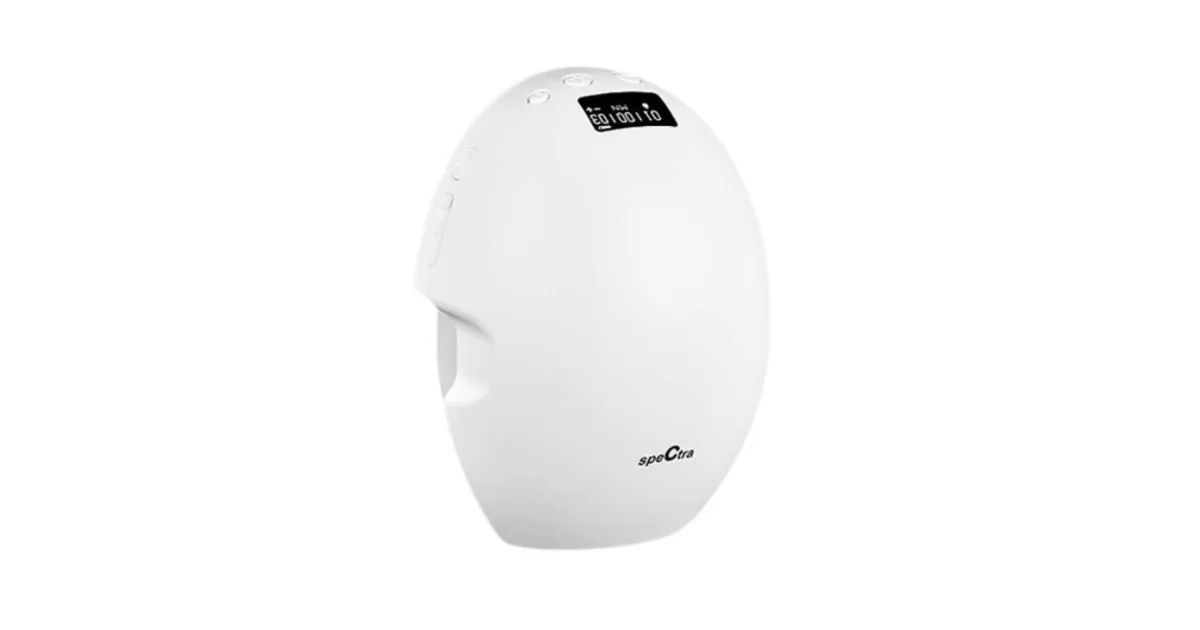
The good news is that maintaining a wearable breast pump does not have to be difficult. The key is to develop a consistent routine. Cleaning the parts after pumping, allowing components to dry completely, checking for damage, storing everything correctly, and following the manufacturer's care recommendations can make a major difference.
A Spectra Wearable 2 Breast Pump is also different from a traditional pump because many of its components are compact and designed to fit inside a bra. This makes convenience one of its biggest advantages, but the smaller parts require attention. Valves, membranes, breast shields, milk collection containers, tubing, and other components all need appropriate care.
This comprehensive guide explains how to maintain your pump, how to clean its parts, how often different components should be inspected or replaced, what common mistakes to avoid, and how to recognize signs that your equipment may need attention.
Why Proper Pump Maintenance Matters
Regular maintenance is important for several reasons.
First, cleanliness matters whenever equipment comes into contact with breast milk. Milk residue can remain inside small components even when a part looks clean from the outside. Over time, this residue may become difficult to remove and can contribute to unpleasant odors or hygiene concerns.
Second, proper care helps preserve pump performance. Breast pumps depend on several components working together to create consistent suction. If a valve becomes damaged, a membrane loses its shape, or a connection becomes loose, pumping performance can change.
Third, maintenance can extend the useful life of your equipment. Wearable breast pumps are often used repeatedly, sometimes several times every day. Frequent use naturally places stress on components. Cleaning and inspecting them regularly helps identify problems before they become major issues.
Finally, good maintenance makes pumping more predictable. When your equipment is clean, dry, assembled correctly, and functioning properly, you are less likely to experience unexpected problems during a pumping session.
Understand the Main Pump Components
Before creating a maintenance routine, it helps to understand the basic parts of your pump.
The exact components can vary depending on the model and accessories you use, so the manufacturer's instructions should always be your primary reference.
Common wearable pump components may include the breast shield, milk collection container, valve, membrane, tubing or air pathway components, connectors, and the motor or pump unit.
The breast shield is the part that fits against the breast. Because it comes into direct contact with the skin, it should be cleaned regularly after use.
The milk collection container holds expressed milk. This part needs careful cleaning because milk can remain in corners, seams, or connection points.
Small silicone components, such as valves and membranes, deserve special attention. These parts can be affected by repeated washing, stretching, heat, and normal wear.
The motor unit is different. Electrical components should not be treated like washable milk-contact parts. Keeping the motor dry and protecting it from milk or water is essential.
Understanding which parts can be washed and which parts must remain dry is one of the most important aspects of pump maintenance.
Clean Milk-Contact Parts After Every Pumping Session
One of the most important maintenance habits is cleaning the parts that come into contact with breast milk after every use.
After finishing a pumping session, separate the washable components according to the manufacturer's instructions. Do not leave milk sitting inside the collection container or other components for extended periods.
Rinse milk-contact parts with cool or lukewarm water as soon as practical. Rinsing helps remove remaining milk before it dries onto the surface.
Once rinsed, wash the parts using warm water and dish soap that is appropriate for cleaning feeding equipment. Use a clean basin or container if you prefer not to wash pump parts directly in the sink.
A sink can contain bacteria and residue from other household items. Using a dedicated clean basin can provide an additional level of cleanliness.
Pay attention to small openings and areas where milk may collect. Do not assume that a quick rinse is enough.
If the manufacturer recommends a particular cleaning method, follow those instructions rather than using a general cleaning routine.
Use a Dedicated Cleaning Routine
Creating a consistent cleaning routine is much easier than trying to remember everything after every session.
After pumping, disassemble the washable components.
Rinse away remaining milk.
Wash each washable part thoroughly.
Rinse away soap residue.
Place the cleaned parts on a clean drying surface.
Allow them to air-dry completely before storage or reassembly.
This routine may seem simple, but consistency is more important than complexity.
Avoid wiping freshly washed pump parts with a kitchen towel or hand towel. Towels can carry lint, dust, or microorganisms. Air-drying on a clean surface is generally preferable.
If you use a drying rack, keep it clean and use it specifically for feeding or pump equipment when possible.
Allow Pump Parts to Dry Completely
Drying is an important part of maintenance that is sometimes overlooked.
Moisture trapped inside pump components can create an environment where microorganisms may grow. It can also contribute to odors and make storage less hygienic.
After washing, separate the components as much as practical so air can reach the surfaces.
Place the parts on a clean, dry drying rack or another suitable surface.
Do not immediately put wet parts into a closed container or bag. Give them enough time to dry completely.
If you are in a hurry, it can be tempting to use a cloth to dry everything quickly. However, air-drying is often the better option because it reduces direct contact with potentially contaminated fabric.
The exact drying time depends on the environment, humidity, and the size of the components.
The important point is simple: do not store pump parts while they are still visibly wet.
Keep the Motor Unit Dry
The motor is one of the most important parts of a wearable pump, and it needs a different type of maintenance.
Never treat the motor unit like a washable milk-contact component unless the manufacturer specifically states that a particular part is washable.
Keep the motor away from sinks, splashes, spills, and excessive moisture.
If milk accidentally reaches the motor or electrical connection, stop using the pump and follow the manufacturer's guidance. Do not continue operating equipment that may have been exposed to liquid in a way that could create a safety problem.
When cleaning the outside of the motor, use the method recommended by the manufacturer.
Avoid soaking the motor.
Avoid pouring cleaning liquid directly onto it.
Avoid using excessive moisture around charging ports, buttons, electrical contacts, or other openings.
A little care in this area can significantly reduce the risk of damage.
Inspect the Valves and Membranes Regularly
Small silicone parts can have a major impact on pump performance.
Valves and membranes are exposed to repeated movement, washing, stretching, and contact with breast milk. Over time, they may become less effective.
During routine cleaning, inspect these parts carefully.
Look for tears, cracks, thinning, warping, stretching, discoloration, or other visible damage.
Also pay attention to changes in pumping performance.
If suction seems weaker than usual, the pump makes unusual sounds, or milk expression changes unexpectedly, the problem may be related to a small wearable component rather than the motor itself.
Do not continue using a damaged silicone component simply because it still appears to function.
Replace worn parts according to the manufacturer's recommendations.
Using compatible replacement parts is important because incorrect components may affect suction, fit, or overall operation.
Check the Breast Shield for Damage
The breast shield plays an important role in comfort and pumping efficiency.
Inspect it regularly for cracks, sharp edges, warping, or other damage.
A damaged shield may not sit correctly against the breast. This can affect comfort and may also contribute to air leakage.
The fit of the breast shield is also important.
If you experience persistent discomfort, rubbing, pinching, or unusual nipple swelling, the shield size or positioning may need to be evaluated.
A pump can be perfectly clean and mechanically functional but still feel uncomfortable if the fit is incorrect.
Because everyone's anatomy is different, the right size is not necessarily the size that came with the pump.
If you are unsure about sizing, consult the manufacturer's sizing guidance or seek professional lactation support.
Clean Milk Collection Containers Thoroughly
Milk collection containers should be cleaned carefully after each use.
Begin by removing any remaining milk.
Disassemble the container and connected components as directed by the manufacturer.
Rinse the parts.
Wash them thoroughly with warm water and an appropriate dishwashing soap.
Rinse again to remove soap.
Allow all components to air-dry completely.
Pay special attention to edges, connection points, and any narrow areas where milk could remain.
If you notice a persistent milk smell after cleaning, inspect the container and surrounding components. Sometimes odors remain because a small silicone part has retained milk residue.
Replace damaged or excessively worn components according to the manufacturer's instructions.
Do Not Ignore Tubing or Air Pathways
If your specific pump configuration includes tubing or air pathway components, these should be checked regularly.
Tubing should generally remain free from milk and excessive moisture.
If milk enters tubing that is not designed to handle milk exposure, follow the manufacturer's cleaning or replacement instructions.
Do not automatically assume that every tube can be washed and reused.
Some tubing systems are designed to remain dry and may need replacement if contaminated.
Inspect tubing for cracks, discoloration, moisture buildup, or loose connections.
A damaged or poorly connected tube can affect pump performance.
Follow the Manufacturer's Cleaning Instructions
Every pump has its own design, and this is particularly important with wearable models.
The manufacturer's instructions should take priority over general advice found online.
Before cleaning a component in a dishwasher, sterilizer, microwave steam bag, or boiling water, confirm that the specific part is approved for that method.
Not every material responds well to high temperatures.
Some components may become warped or damaged when exposed to excessive heat.
Other parts may be dishwasher-safe only on a specific rack or under particular conditions.
If the manufacturer provides a cleaning chart or care guide, keep it available for reference.
Following official instructions helps prevent accidental damage and ensures that you are maintaining the pump according to its intended design.
Consider Sanitizing When Appropriate
Cleaning and sanitizing are not exactly the same thing.
Cleaning removes milk residue, oils, and visible dirt.
Sanitizing provides an additional level of germ reduction.
Whether sanitizing is necessary, how often it should be done, and which method is appropriate can depend on the baby's age, health circumstances, and the manufacturer's instructions.
If you are caring for a newborn, premature infant, or baby with specific health concerns, discuss appropriate pump-part hygiene with your healthcare provider.
Use only sanitizing methods approved for the pump components.
Do not assume that boiling every part is safe.
High temperatures can damage some silicone, plastic, or electronic components.
Always separate washable parts from electrical components.
Store Pump Parts Correctly
Proper storage is part of maintenance.
Once all washable components are completely dry, store them in a clean and dry location.
Avoid leaving pump parts exposed to dust, pet hair, cooking particles, or other household contaminants.
A clean breathable container can help protect the parts while allowing any remaining moisture to escape.
Do not seal damp components in an airtight bag.
If you travel frequently, consider carrying pump parts in a dedicated clean storage container.
Make sure the container itself is washed and dried regularly.
Storage should also protect small components from being lost or damaged.
Losing a tiny valve or membrane can make the pump unusable until a replacement is found.
Keeping all parts together can make your pumping routine much easier.
Maintain the Pump Between Sessions
Daily maintenance is not limited to washing.
Between pumping sessions, take a moment to inspect the equipment.
Check whether all components are present.
Look for visible milk residue.
Confirm that silicone parts are properly seated.
Inspect the breast shield for cracks.
Check that the collection container closes and connects correctly.
Make sure the motor is clean and dry.
These quick checks take very little time but can prevent problems during your next pumping session.
Charge and Store the Motor Properly
Battery-powered wearable pumps depend on reliable charging.
Use the charging equipment recommended by the manufacturer.
Keep charging ports dry.
Avoid exposing the pump to extreme heat or excessive moisture while charging.
Do not continue using a charging cable or adapter that is visibly damaged.
When storing the pump for an extended period, follow the manufacturer's recommendations regarding battery storage.
If you will not use the pump for a long time, store it in a clean, dry location and protect it from extreme temperatures.
Battery performance can naturally change over time, but careful charging habits can help maintain reliable operation.
Watch for Changes in Suction
A sudden change in suction is one of the clearest signs that your pump may need attention.
Before assuming the motor has failed, check the simpler possibilities.
Make sure the pump is assembled correctly.
Check that the breast shield is positioned properly.
Inspect the valves and membranes.
Look for cracks or loose connections.
Check for moisture where it should not be.
Confirm that the battery has sufficient charge.
Sometimes a small worn component can create a noticeable performance problem.
If replacing the relevant wearable components does not resolve the issue, consult the manufacturer's troubleshooting guidance or customer support.
Replace Wearable Pump Parts as Needed
Pump parts do not necessarily last forever.
The frequency of replacement depends on how often you pump, how aggressively the parts are cleaned, the materials used, and the manufacturer's recommendations.
Parts that move or flex repeatedly may wear faster than rigid components.
Silicone valves and membranes are especially important to monitor.
Instead of waiting for a complete failure, inspect frequently used components regularly.
If a part becomes visibly damaged, stretched, cracked, or otherwise compromised, replace it.
It is also wise to keep a few compatible replacement parts available if you rely on your pump every day.
Having replacements on hand can prevent an unexpected equipment problem from interrupting your pumping routine.
Avoid Common Cleaning Mistakes
Many maintenance problems come from simple mistakes.
One common mistake is leaving milk in pump components for too long.
Another is washing parts without fully disassembling them.
A third mistake is storing parts while they are still wet.
Using harsh cleaning chemicals is another potential problem.
Avoid abrasive materials that could scratch plastic surfaces.
Do not use unapproved solvents or strong chemicals.
Avoid putting electrical components in water.
Do not boil or heat components unless the manufacturer confirms that the material and design can safely handle that method.
Another mistake is ignoring small parts because they appear insignificant.
A tiny valve or membrane can have a major effect on pump performance.
Do Not Use Damaged Components
A damaged component should not be treated as a minor inconvenience.
Cracks can allow leaks.
Tears can affect suction.
Warped components may not fit correctly.
Worn silicone may reduce pumping efficiency.
If you notice damage, replace the component with a compatible part.
Do not attempt permanent repairs with glue, tape, or household adhesives on components that come into contact with breast milk.
These materials may not be appropriate for contact with milk and may alter the function of the pump.
Clean Your Hands Before Handling Pump Parts
Your hands are part of the cleaning process.
Before assembling or handling freshly cleaned pump components, wash your hands thoroughly.
This is especially important immediately before pumping.
Clean hands reduce the chance of transferring dirt or microorganisms to freshly cleaned equipment.
If you are assembling the pump in a workplace, public area, or travel environment, try to use the cleanest available surface.
A small amount of preparation can make the entire process more hygienic.
Create a Maintenance Schedule
A simple schedule can make pump care easier.
After every pumping session, clean the milk-contact components.
Every day, inspect the parts for residue, damage, and moisture.
Regularly check valves, membranes, breast shields, and connections for wear.
Periodically review the manufacturer's replacement recommendations.
Whenever performance changes, troubleshoot the pump rather than continuing to use it without investigation.
The exact schedule should be adapted to your personal pumping frequency and the manufacturer's guidance.
Someone who pumps many times a day may naturally experience faster wear than someone who pumps occasionally.
Maintaining the Pump While Traveling
Travel can make pump maintenance more challenging.
When traveling, plan ahead.
Carry enough cleaning supplies for the length of the trip.
Bring a clean storage container.
Pack extra compatible replacement parts if you depend heavily on the pump.
If you cannot clean the parts immediately, follow safe storage practices recommended by your healthcare provider or the manufacturer.
Do not leave expressed milk sitting inside pump components longer than necessary.
If you are traveling without access to a full kitchen, consider how you will wash and dry the equipment before leaving home.
A small, organized cleaning kit can make travel much easier.
Be Careful When Using the Pump at Work
Many people use wearable pumps because they provide flexibility during busy days.
However, workplace convenience should not come at the expense of maintenance.
Keep a dedicated clean area for storing your pump parts.
Carry a clean container for used components.
Keep washable parts separate from personal items that may be dirty.
If immediate cleaning is not possible, follow appropriate temporary storage practices and clean the parts as soon as practical.
Planning your pumping schedule around available cleaning opportunities can reduce stress.
Know When to Stop Using the Pump
There are situations where you should stop using the equipment until the problem is resolved.
If the pump has visible electrical damage, stop using it.
If the motor has been exposed to significant liquid, follow the manufacturer's safety guidance before operating it again.
If the breast shield is cracked or damaged, replace it.
If a valve or membrane is torn, replace it.
If you notice unusual overheating, burning smells, or other abnormal electrical behavior, stop using the device and contact the manufacturer or an appropriately qualified service provider.
Do not attempt to repair electrical components yourself unless the manufacturer specifically provides instructions for doing so.
Pay Attention to Personal Comfort
Maintenance is not only about keeping the equipment clean.
It is also about ensuring that the pump remains comfortable to use.
If pumping suddenly becomes painful, check whether the breast shield is positioned correctly.
Inspect the shield for damage.
Consider whether the size remains appropriate.
Also consider whether the pump settings have changed.
A comfortable pumping experience can make regular pumping easier to maintain.
Persistent pain should not simply be ignored. If discomfort continues despite checking the equipment and fit, consider consulting a qualified lactation professional or healthcare provider.
Keep the Pump Away From Extreme Conditions
Storage conditions can affect equipment.
Avoid leaving your pump in extremely hot environments, such as inside a parked vehicle during hot weather.
Also avoid exposing it to excessive cold or humidity.
Keep the motor and electrical components in a dry environment.
Store washable parts in a clean place after they have fully dried.
Protecting the pump from harsh environmental conditions can help preserve both the electronic system and the plastic or silicone components.
Use Only Compatible Replacement Parts
When replacing components, compatibility matters.
A part that looks similar may not perform the same way.
Incorrect valves, membranes, connectors, or shields may affect suction or create leaks.
Whenever possible, use replacement parts specifically designed for your pump model.
Follow the manufacturer's recommendations when selecting replacements.
This is particularly important for wearable pumps because their compact design may depend on precise component fit.
A Simple Maintenance Checklist
A practical maintenance checklist can help keep your routine consistent.
After each session:
-
Disassemble washable milk-contact parts.
-
Remove remaining milk.
-
Rinse the components.
-
Wash them thoroughly.
-
Rinse away soap.
-
Allow everything to air-dry completely.
-
Store the dry parts in a clean location.
Regularly:
-
Inspect valves and membranes.
-
Check the breast shield.
-
Look for cracks and leaks.
-
Check connections.
-
Inspect tubing or air pathways if applicable.
-
Monitor suction performance.
-
Check the motor for visible damage.
-
Keep charging equipment in good condition.
When necessary:
-
Replace worn components.
-
Replace damaged parts.
-
Review the manufacturer's cleaning instructions.
-
Contact customer support if troubleshooting does not resolve a problem.
What Should You Avoid When Maintaining Your Pump?
Avoid using household cleaning products that are not intended for pump components.
Avoid storing wet parts in sealed containers.
Avoid washing electrical components unless they are specifically designed to be washable.
Avoid ignoring damaged silicone parts.
Avoid continuing to use equipment that shows signs of electrical malfunction.
Avoid using replacement components that are not compatible with your model.
Avoid assuming that more cleaning is always better. Excessive heat, harsh chemicals, or aggressive scrubbing can sometimes damage materials.
The goal is not simply to clean everything as aggressively as possible.
The goal is to clean the right components correctly and consistently.
How Proper Maintenance Improves Long-Term Reliability
A wearable breast pump is a frequently used personal device.
Like any regularly used equipment, it performs best when it is cared for consistently.
Good maintenance reduces the buildup of milk residue.
It helps you notice worn components early.
It protects the motor from unnecessary moisture exposure.
It keeps the pump ready for use when you need it.
Most importantly, maintenance gives you confidence that your equipment is being handled responsibly.
The small amount of time spent cleaning and inspecting the pump after each session can prevent larger problems later.
Conclusion
Maintaining a Spectra Wearable 2 Breast Pump is mainly about consistency, careful cleaning, proper drying, regular inspection, and following the manufacturer's instructions.
The most important habit is cleaning milk-contact components after every pumping session. Milk residue should not be allowed to remain inside the equipment unnecessarily. Each washable component should be properly disassembled, cleaned, rinsed, and allowed to dry completely before storage.
The motor and other electrical components require a different approach. They should be protected from water, milk, and excessive moisture. Keeping the electronic portion of the pump dry is essential for safe and reliable operation.
Small parts deserve just as much attention as larger ones. Valves, membranes, connectors, and other compact components can wear out over time. A small crack or change in shape can affect suction and pumping performance. Regular inspection helps you identify these problems before they become more disruptive.
It is also important to understand that cleanliness and performance are connected, but they are not the same thing. A pump can be clean but still perform poorly because a component is worn or incorrectly assembled. If suction changes, check the assembly, fit, valves, membranes, connections, and battery before assuming the motor has failed.
Storage is another important part of long-term care. Clean parts should be completely dry before being stored in a clean location. Wet components should not be sealed in airtight containers, and pump equipment should be protected from dust, extreme temperatures, and excessive humidity.
Replacement parts should also be treated as a normal part of pump ownership. Components that experience repeated movement and cleaning will eventually wear. Replacing them when necessary is usually better than trying to extend the life of a damaged part.
A good maintenance routine does not need to be complicated. Clean after use, dry thoroughly, inspect regularly, store correctly, and replace worn parts when necessary. These habits can help keep your pump dependable and make your pumping routine more manageable.
Always remember that the manufacturer's instructions should take priority over general maintenance advice. Pump designs and materials can differ, and not every component should be cleaned, sterilized, heated, or stored in the same way.
If you notice persistent changes in suction, damaged components, unusual electrical behavior, overheating, or other problems that you cannot resolve through basic troubleshooting, stop using the equipment when appropriate and seek guidance from the manufacturer or a qualified professional.
Ultimately, the best way to maintain your pump is to treat maintenance as part of your regular pumping routine rather than as an occasional task. A few minutes of careful cleaning and inspection after each session can help protect the equipment, support hygienic handling, and reduce the chance of unexpected problems. With consistent care and attention to the manufacturer's recommendations, you can keep your wearable pumping equipment in better condition and make your daily routine smoother and more reliable.