
Protein A Resins for Scalable Antibody Processing
When I work on antibody purification projects, scalability is always at the top of my mind. What performs well at the bench often struggles when moved into pilot or production-scale workflows. Over time, I’ve learned that Protein A resins play a critical role in bridging that gap. When selected and used correctly, they offer consistency, efficiency, and reproducibility across every stage of antibody processing.
In this article, I want to share practical, first-hand insights into how Protein A resins support scalable antibody purification, what factors matter most during selection, and how I approach process optimization to maintain yield and quality as volumes increase.
Why Protein A Resins Are the Backbone of Antibody Purification
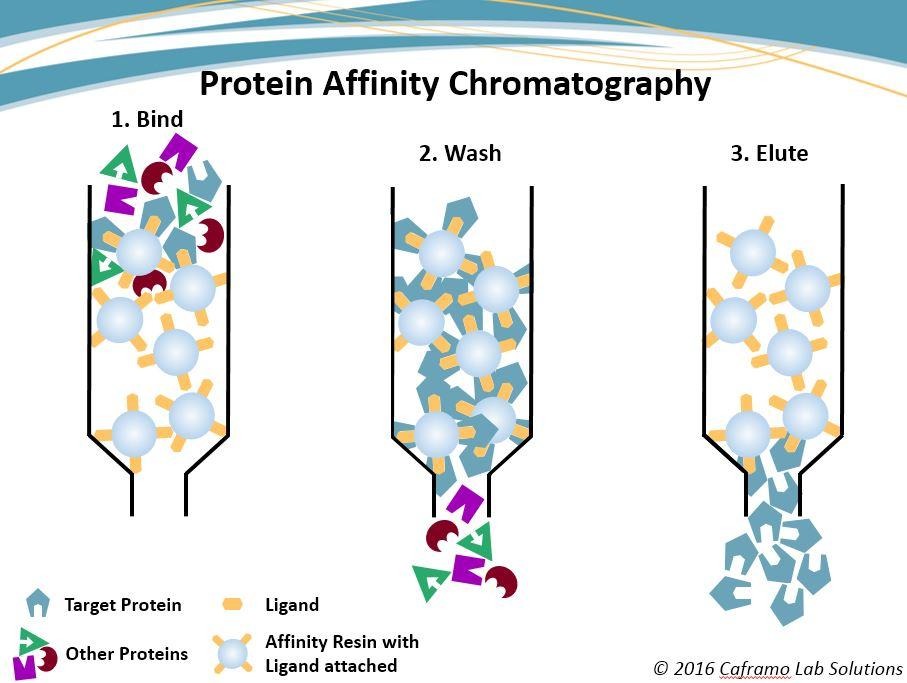
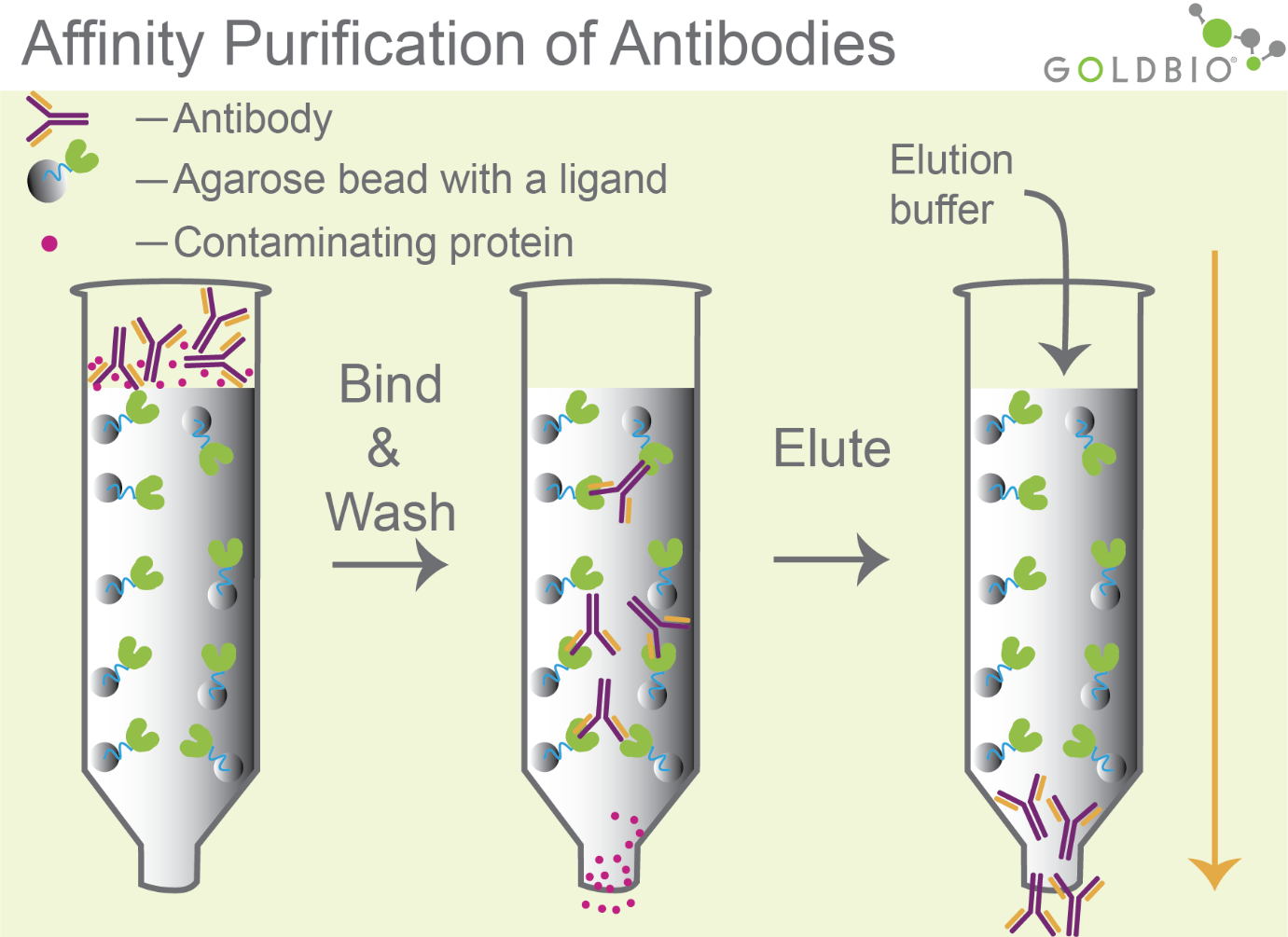
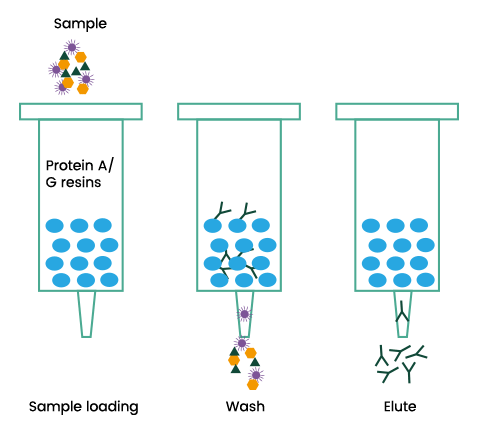
Protein A resins are widely used because of their highly specific binding to the Fc region of immunoglobulin G (IgG). This specificity gives me confidence that I can achieve high purity in a single capture step, even from complex feedstocks.
What makes Protein A resins especially valuable for scale-up is their predictable performance. When resin chemistry is well-characterized, it becomes much easier to translate a small-scale method into a robust manufacturing process.
Key advantages I rely on include:
- High binding specificity and capacity
- Consistent elution profiles
- Compatibility with automated chromatography systems
- Proven scalability from milliliters to thousands of liters
Understanding Scalability in Antibody Processing
Scalability isn’t just about increasing column size. It’s about maintaining performance while processing larger volumes under tighter timelines. In my experience, scalable antibody processing depends on three core principles:
- Resin stability over repeated cycles
- Flow properties that support higher throughput
- Reproducible binding and elution behavior
Protein A resins that perform well at small scale but degrade or compress under higher flow rates can quickly become bottlenecks. That’s why resin selection is one of the most critical early decisions I make.
Choosing the Right Protein A Resin for Scale-Up
Not all Protein A resins are created equal. Over time, I’ve developed a checklist to evaluate whether a resin is suitable for scalable antibody processing.
Binding Capacity
High dynamic binding capacity allows me to process more material per cycle. This reduces the number of runs needed and lowers overall production time.
Mechanical Strength
As column diameters increase, so does pressure. I prioritize resins that maintain structural integrity at higher flow rates without compressing or channeling.
Chemical Stability
Large-scale operations require frequent cleaning-in-place (CIP). A Protein A resin must tolerate harsh cleaning agents while retaining binding efficiency.
Lot-to-Lot Consistency
Consistency is non-negotiable at scale. Variability can lead to process deviations and costly revalidation.
My Workflow for Scalable Protein A Chromatography
When developing or scaling an antibody purification process, I follow a structured workflow to ensure smooth transitions from development to production.
Step 1: Small-Scale Screening
I begin by testing binding capacity, wash efficiency, and elution conditions at a small scale. This allows me to establish baseline parameters.
Step 2: Linear Velocity Optimization
Instead of focusing only on volumetric flow rates, I optimize linear velocity to maintain consistent residence time as column size increases.
Step 3: Load Density Evaluation
I gradually increase antibody load to identify the optimal balance between yield and purity without overloading the resin.
Step 4: Cleaning Validation
I test CIP protocols early to ensure the resin can withstand repeated cleaning cycles without performance loss.
Managing Cost Without Compromising Quality
Protein A resins are often one of the most expensive consumables in antibody production. For scalable processes, cost management becomes essential.
Here’s how I approach it:
- Maximize resin lifetime through optimized cleaning
- Reduce cycle time by improving flow efficiency
- Avoid over-engineering purity when downstream steps can polish further
When resin performance is reliable, I can confidently plan long production campaigns without unexpected downtime.
The Role of Protein A Agarose Resins in Large-Scale Workflows
Agarose-based Protein A resins remain a popular choice for scalable antibody purification due to their balance of capacity, flow properties, and chemical stability. I often turn to these resins when I need predictable performance across multiple scales.
If you want to dive deeper into agarose-based options, you can click for more details here:
https://lyticsolutions.com/protein-a-agarose.html
This resource is especially useful for understanding how agarose matrices support high-capacity antibody capture while maintaining gentle handling of sensitive molecules.
Troubleshooting Common Scale-Up Challenges
Even with the best planning, challenges can arise during scale-up. These are some issues I encounter most often—and how I address them.
Increased Backpressure
This usually signals flow rates that exceed resin tolerance. I reduce linear velocity or adjust column packing density.
Reduced Binding Capacity
Often linked to fouling or incomplete cleaning. Optimizing CIP protocols typically restores performance.
Variable Elution Profiles
This can result from pH gradients in larger columns. I ensure buffer preparation and mixing are tightly controlled.
Why I Trust Proven Protein A Resin Suppliers
Reliable suppliers make a significant difference in large-scale antibody processing. Consistent quality, technical documentation, and responsive support save time and prevent costly errors.
I’ve found that working with experienced providers like Lytic Solutions, LLC gives me confidence that the resins I use will perform as expected, whether I’m running a pilot study or a full manufacturing campaign.
You can learn more about their approach and offerings here:
https://lyticsolutions.com/
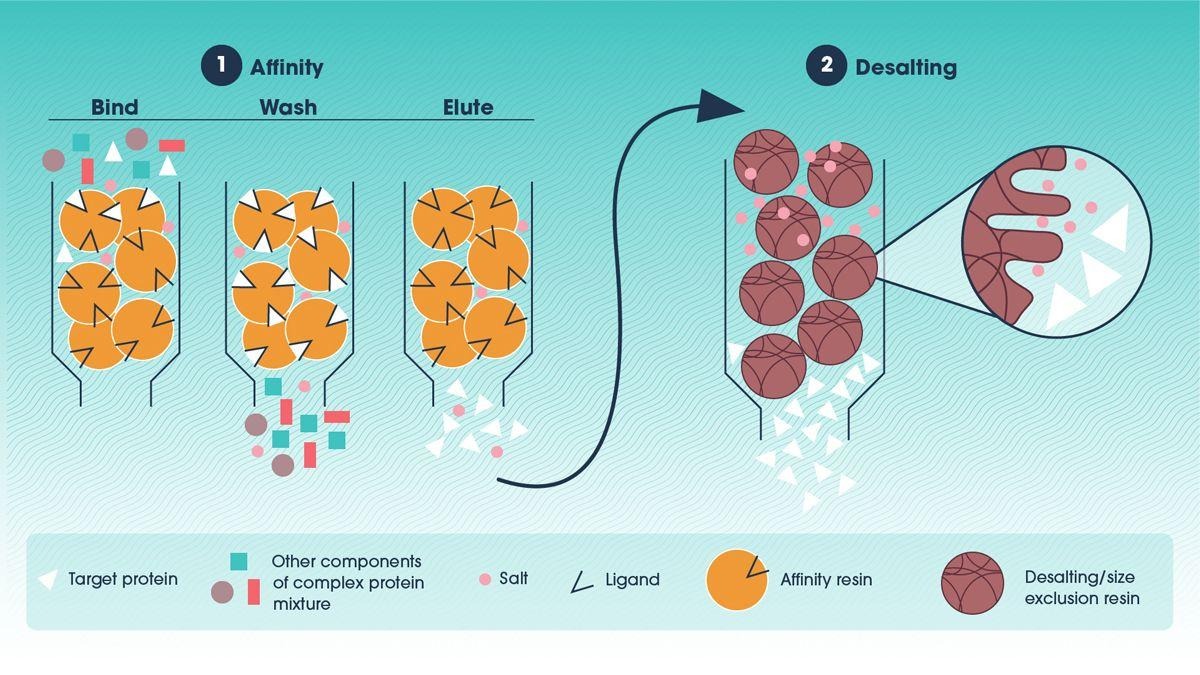
Integrating Protein A Resins into End-to-End Bioprocessing
Protein A capture is just one step in a broader purification strategy. For scalable workflows, I design the entire downstream process with Protein A performance in mind.
This includes:
- Buffer compatibility with polishing steps
- Elution conditions that protect antibody stability
- Process analytics to monitor consistency
When Protein A resins perform reliably, downstream steps become easier to optimize and validate.
Long-Term Benefits of Scalable Protein A Processing
Investing time in selecting and optimizing the right Protein A resin pays off in the long run. I’ve seen firsthand how a robust capture step reduces batch failures, improves product consistency, and simplifies regulatory documentation.
The long-term benefits include:
- Lower cost per gram of antibody
- Faster production timelines
- Greater confidence during scale transitions
Final Thoughts on Protein A Resins for Scalable Antibody Processing
From my experience, Protein A resins are far more than a purification tool—they’re a foundation for scalable, reliable antibody manufacturing. When chosen thoughtfully and integrated into a well-designed process, they enable smooth transitions from research to production without sacrificing quality.
If you’re planning to scale your antibody purification workflow or want expert guidance on selecting the right Protein A resin, I recommend reaching out directly.
Contact us to discuss your specific processing needs:
https://lyticsolutions.com/about-us—contact.html
With the right strategy and the right resin, scalable antibody processing becomes not just achievable—but sustainable.