
Culture shapes identity, expression, and everyday life, but it is especially evident in the evolution of female cloths. Across the world, clothing has always been more than fabric; it tells stories about history, values, beliefs, traditions, and the roles assigned to women.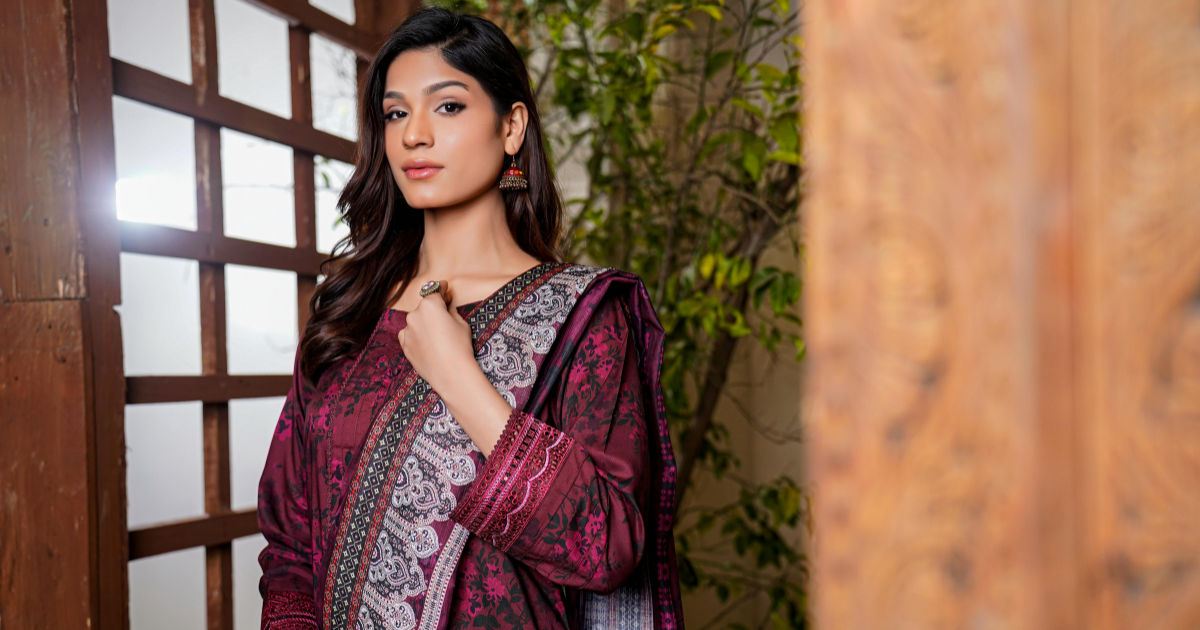
What we see today on runways, in stores, or on the street is always rooted in cultural foundations. Whether traditional or modern, female cloths are living records that connect the past to the present.
In every society, female cloths reflect regional heritage, climate, religion, social rules, and shifting gender expectations. Even as societies change rapidly through globalization, social media, and migration, culture remains a powerful force influencing design, materials, aesthetics, and meaning.
Understanding how culture shapes female cloths allows us to appreciate diversity while recognizing how deeply clothing expresses human identity.
The Deep Roots of Cultural Influence
Clothing as a Cultural Language
Clothing acts as a visual language. For generations, female cloths have communicated social status, modesty expectations, familial roles, and local customs. Before modern manufacturing, women often crafted their own garments, embedding cultural symbols and stories into each piece. Patterns, colors, and cuts became markers of belonging.
Identity and Community
In many cultures, female cloths symbolize community identity. Women from the same village, tribe, or region often wear similar textiles or motifs to affirm unity. For example, the Maasai shuka, the Indian sari, and the Korean hanbok each emerge from cultural narratives passed through centuries.
Preservation Through Generations
Traditional female cloths serve as cultural archives. They preserve ancestral beliefs and techniques: weaving styles, embroidery, dyeing traditions, and tailoring methods. Many communities pass specific garments from mother to daughter, ensuring continuity of knowledge.
Regional and Global Variations
African Influence
African cultures heavily influence female cloths through bold patterns, vibrant colors, and symbolic designs. Fabrics such as Kente, Ankara, and mudcloth carry encoded meanings about lineage, social standing, and spirituality. African female cloths often incorporate geometric prints and storytelling motifs that reflect the wearer’s identity.
Asian Influence
Asia’s cultural diversity produces a vast range of female cloths. From Japan’s kimono to India’s salwar kameez, garments express modesty, grace, and cultural values. Asian textiles emphasize craftsmanship, whether through intricate silk weaving, hand embroidery, or natural dyeing traditions.
Middle Eastern Influence
Middle Eastern culture emphasizes modesty and elegance. Traditional female cloths such as the abaya, kaftan, and hijab highlight cultural expectations while embracing beauty through luxurious fabrics, embellishments, and flowing silhouettes.
European Influence
Europe’s influence on female cloths includes structured tailoring, fashion houses, and evolving trends. Historical garments like corsets, petticoats, and gowns reflected class systems, while modern European fashion shapes contemporary global clothing styles.
American Influence
American culture promotes individuality and comfort. Denim, sportswear, and street fashion influence global female cloths by emphasizing freedom, self-expression, and practicality.
Social and Cultural Factors Affecting Female Clothing
Religion and Spirituality
Religion has historically guided female cloths. Modesty rules, head coverings, or ceremonial garments often reflect spiritual beliefs. Different faiths define cultural standards of coverage, adornment, and acceptable styles.
Social Class and Economics
Throughout history, social class determined the materials and designs of female cloths. Wealthier women wore silk, brocade, or embroidered garments, while lower classes used simpler fabrics. Even today, luxury brands signal economic power.
Climate and Geography
Climate strongly influences female cloths. Hot climates favor breathable, loose garments, while cold regions rely on layering and heavy textiles. Geography often dictates fiber availability—cotton, wool, silk, or synthetic alternatives.
Gender Roles
Societal expectations about femininity play a major role. Cultures shape female cloths based on perceived gender responsibilities, such as modesty, domestic roles, or professional identity.
Globalization
The spread of global fashion blends traditional and modern styles. Social media and international shopping make female cloths more diverse, but also risk cultural homogenization or appropriation.
The Evolution of Traditional Female Clothing
From Handcrafted to Industrial
Traditionally, female cloths were handmade, taking days or months to complete. Industrialization introduced mass-produced fabrics and designs, changing the relationship between women and their clothing.
Transition From Function to Fashion
Originally, female cloths focused on protection and cultural roles. Over time, fashion evolved into a global industry driven by aesthetics, identity, and innovation.
Cultural Revival Movements
Many communities now revive traditional female cloths to preserve heritage. Modern reinterpretations make them fashionable for younger generations.
Symbolism Found in Female Clothing
Colors
Colors in female cloths often carry symbolic meanings:
-
Red: celebration, marriage, strength
-
White: purity, peace
-
Black: elegance or mourning
-
Gold: wealth and power
Patterns and Motifs
Many cultures encode meaning through patterns, such as flowers representing fertility or geometric shapes symbolizing balance.
Fabrics
Silk, cotton, wool, and linen each carry cultural associations of luxury, purity, warmth, or simplicity.
Influence of Cultural Events and Traditions
Weddings
Wedding female cloths reflect regional customs. Brides wear garments symbolizing purity, prosperity, or familial heritage.
Festivals
Festive clothing incorporates vibrant colors, elaborate designs, and cultural symbols. These garments celebrate community spirit.
Ceremonial Wear
Ceremonial female cloths often follow strict traditions, honoring ancestors and reinforcing cultural identity.
The Role of Fashion Designers in Cultural Expression
Modern Designers as Cultural Storytellers
Designers reinterpret cultural traditions into contemporary female cloths. They merge modern cuts with ancient patterns, creating clothing that honors the past while appealing to the present.
Cultural Preservation Through Fashion
Fashion schools and designers work to preserve traditional crafts by collaborating with local artisans.
Ethical and Sustainable Trends
Cultural respect encourages sustainable production, inspiring designers to create eco-friendly female cloths that honor heritage and reduce environmental impact.
Cultural Appropriation vs. Appreciation
Understanding the Difference
Appreciation respects cultural meaning; appropriation exploits it without understanding. Using traditional female cloths as costumes or fashion statements without context often diminishes their significance.
How to Appreciate Respectfully
-
Learn the garment’s history
-
Support artisans
-
Wear traditional styles with cultural understanding
Why It Matters
Respecting female cloths protects cultural identity and encourages ethical consumption.
Media and Pop Culture Influence
Film and Television
Movies often shape trends by showcasing specific cultural styles of female cloths. Historical dramas revive old fashions, while modern shows introduce global designs.
Music and Celebrity Culture
Celebrities influence global fashion, making traditional female cloths go viral. While this can celebrate culture, it can also risk misrepresentation.
Social Media
Platforms like Instagram and TikTok create rapid fashion cycles. Influencers often popularize unique female cloths, blending heritage with modern aesthetics.
Modernization and Cultural Blending
Fusion Fashion
Fusion fashion mixes elements from multiple cultures. For example, blending Western silhouettes with Asian fabrics creates diverse forms of female cloths.
Migration and Cultural Exchange
As people move across borders, they bring traditional clothing styles with them, diversifying local fashion landscapes.
Technology’s Impact
Digital printing, AI-driven design, and fast fashion technologies influence how female cloths evolve today.
The Psychological Impact of Culturally Influenced Clothing
Confidence and Identity
Women often feel more confident wearing culturally meaningful female cloths. These garments connect them to their roots and reinforce pride.
Emotional Attachment
Some garments carry emotional weight: heirlooms, handmade pieces, or festival clothing often hold cherished memories.
Empowerment and Expression
Modern women use female cloths to express individuality, profession, beliefs, and cultural identity.
Challenges in Preserving Cultural Influence
Fast Fashion Pressures
Mass production threatens traditional craftsmanship. Many cultural female cloths require manual labor and unique skills.
Loss of Traditional Knowledge
Younger generations may lose interest in learning traditional techniques.
Ethical Concerns
Global fashion brands sometimes exploit cultural symbols without credit or compensation.
The Future of Cultural Influence on Female Clothing
Cultural Revival
Younger generations increasingly value authenticity and heritage. This leads to renewed interest in traditional female cloths.
Sustainable Fashion
Eco-friendly materials and ethical production support cultural preservation.
Digital Fashion Spaces
AI designs, virtual wardrobes, and digital textiles influence future female cloths, blending technology with tradition.
Conclusion
Culture is not just a background influence—it is a driving force behind the evolution of female cloths. Every fold, pattern, fabric, and color carries stories about history, belonging, and identity. Across continents and generations, female cloths reflect spiritual beliefs, social values, and artistic expression. As globalization spreads ideas faster than ever, the cultural foundations of clothing remain essential to understanding ourselves and others.
Although modern fashion changes quickly, the cultural significance of female cloths continues to guide designers, communities, and individuals. Preserving traditional garments, respecting cultural meaning, and celebrating heritage ensure that clothing remains a deeply human expression. The future will blend innovation with tradition, but culture will always shape the heart of female cloths, making them more than garments—making them symbols of connection, pride, and identity.