
Collagen is one of the most important proteins in the human body. It provides structure to the skin, hair, nails, joints, bones, and connective tissues. As people age, natural collagen production gradually declines, which may contribute to fine lines, wrinkles, reduced skin elasticity, and drier skin.
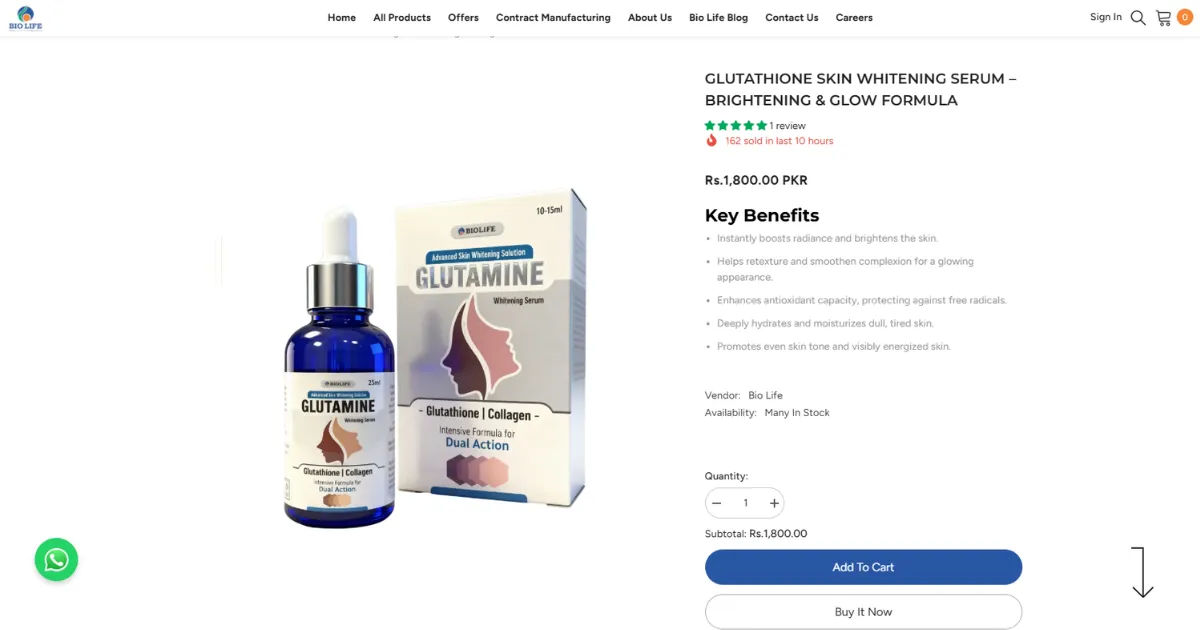
Because of this, many individuals choose collagen supplements to support their overall wellness and skin health.Among the available options, Biolife Collagen Powder for Skin has become a popular choice for people who want a convenient way to add collagen to their daily routine. Understanding how to take it correctly can help you stay consistent and get the most from your supplement.
While collagen is not an overnight solution, regular use as part of a healthy lifestyle may support healthy skin over time.This guide explains how Biolife Collagen Powder for Skin should be taken, when to use it, how to combine it with other nutrients, and the habits that can help you achieve the best possible results.
What Is Collagen?
Collagen is the body's most abundant structural protein. It serves as the foundation for many tissues and plays a key role in maintaining strength and flexibility.
Collagen naturally exists throughout the body, including in the:
-
Skin
-
Bones
-
Cartilage
-
Tendons
-
Ligaments
-
Blood vessels
-
Muscles
As we grow older, collagen production slows. Environmental factors such as excessive sun exposure, smoking, poor nutrition, stress, and inadequate sleep can further reduce collagen levels.
What Is Biolife Collagen Powder for Skin?
Biolife Collagen Powder for Skin is a powdered collagen supplement designed to fit easily into everyday routines. Powdered collagen is popular because it mixes with many beverages and foods without requiring complicated preparation.
Many people choose powdered collagen because it is easy to measure, portable, and simple to consume regularly.
Consistency is usually more important than the specific time of day you take collagen.
Why Do People Take Collagen?
People often include collagen supplements in their wellness routines for several reasons.
Some potential benefits may include:
-
Supporting skin hydration
-
Helping maintain skin elasticity
-
Supporting healthy hair and nails
-
Promoting joint comfort
-
Supporting connective tissue
-
Complementing an overall healthy diet
Individual results vary depending on age, nutrition, lifestyle, genetics, and overall health.
How Should Biolife Collagen Powder for Skin Be Taken?
The best approach is to follow the serving instructions provided on the product label. Manufacturers determine serving sizes based on the formulation and intended daily intake.
General recommendations include:
-
Measure the recommended serving.
-
Mix thoroughly with your preferred beverage.
-
Consume consistently every day.
-
Avoid exceeding the suggested daily serving unless advised by a healthcare professional.
Making collagen part of your regular daily routine is often easier than taking it occasionally.
Best Time to Take Collagen
Many people wonder whether collagen works better in the morning or evening.
The good news is that there is no universally proven "best" time.
Some common options include:
Morning
Many individuals mix collagen into:
-
Coffee
-
Tea
-
Smoothies
-
Protein shakes
Taking collagen in the morning helps establish a consistent habit.
Afternoon
Some people enjoy collagen with lunch or as part of a nutritious snack.
Evening
Others prefer adding collagen to warm beverages later in the day.
Ultimately, the best time is whichever fits your schedule consistently.
How to Mix Collagen Powder
One advantage of powdered collagen is its versatility.
It can often be mixed into:
-
Water
-
Coffee
-
Tea
-
Smoothies
-
Milk
-
Plant-based milk
-
Juice
-
Yogurt
-
Oatmeal
-
Soups
Always stir or shake well to help the powder dissolve completely.
Should It Be Taken with Food?
Collagen can generally be taken with or without food.
Some people prefer taking it alongside meals because it becomes part of their normal eating routine.
Others enjoy collagen before breakfast or after exercise.
Choose the approach that helps you remain consistent.
Does Vitamin C Matter?
Vitamin C plays an important role in the body's natural collagen production.
Many people consume collagen alongside vitamin C-rich foods, including:
-
Oranges
-
Strawberries
-
Kiwi
-
Bell peppers
-
Broccoli
-
Tomatoes
A balanced diet containing sufficient vitamin C supports normal collagen formation in the body.
Can You Take It Every Day?
Daily use is commonly recommended for collagen supplements when taken according to the product instructions.
Because collagen supports long-term processes within the body, consistency is generally considered more important than occasional use.
Missing a day occasionally is not usually a major concern, but developing a regular habit may help maintain your routine.
How Long Before Results May Be Noticed?
Collagen supplements do not provide immediate visible changes.
Many people use collagen consistently for several weeks or months as part of their overall skincare routine.
The timeline can differ based on factors such as:
-
Age
-
Diet
-
Lifestyle
-
Hydration
-
Exercise
-
Sun exposure
-
Overall health
Patience and consistency are important.
Can It Be Mixed with Coffee?
Yes.
Many collagen powders are designed to dissolve in hot beverages.
Adding collagen to coffee is one of the most popular methods because it requires almost no additional effort.
Be sure to mix thoroughly until fully dissolved.
Can It Be Added to Smoothies?
Absolutely.
Smoothies provide an excellent way to include collagen alongside nutritious ingredients like:
-
Berries
-
Bananas
-
Spinach
-
Greek yogurt
-
Almond milk
-
Oats
-
Chia seeds
This combination can contribute to a balanced breakfast or snack.
Should Athletes Take Collagen?
Active individuals sometimes include collagen as part of a balanced nutrition plan.
Exercise places stress on joints, tendons, ligaments, and muscles.
While collagen is not a substitute for proper nutrition or training, some people choose to include it in their post-workout recovery routine.
Is Hydration Important?
Yes.
Healthy skin depends on adequate hydration.
Even if you take collagen regularly, drinking enough water each day supports overall skin health.
Good hydration also supports normal body functions and overall wellness.
Foods That Support Healthy Skin
Collagen works best as part of an overall healthy lifestyle.
Consider eating foods rich in:
Lean Protein
Protein provides amino acids used throughout the body.
Examples include:
-
Chicken
-
Fish
-
Eggs
-
Beans
-
Lentils
Healthy Fats
Healthy fats support normal skin function.
Examples include:
-
Avocados
-
Nuts
-
Seeds
-
Olive oil
Fruits and Vegetables
Colorful produce provides vitamins, minerals, and antioxidants.
Aim to include a wide variety of colors each day.
Whole Grains
Whole grains contribute fiber and nutrients that support overall health.
Lifestyle Habits That Support Skin
Supplements alone cannot replace healthy daily habits.
Helpful practices include:
-
Wearing sunscreen
-
Sleeping 7–9 hours each night
-
Staying hydrated
-
Managing stress
-
Avoiding smoking
-
Limiting excessive alcohol
-
Exercising regularly
-
Eating a balanced diet
Together, these habits support overall skin health.
Common Mistakes to Avoid
Taking It Inconsistently
Skipping days frequently makes it harder to maintain a routine.
Ignoring the Recommended Serving
More is not always better.
Always follow the product instructions.
Expecting Instant Results
Collagen supports long-term wellness rather than immediate cosmetic changes.
Neglecting Overall Nutrition
Collagen works best alongside a nutritious diet and healthy lifestyle.
Frequently Asked Questions
Can teenagers take collagen?
Teenagers should consult a healthcare professional before using dietary supplements unless recommended for a specific reason.
Can collagen replace skincare products?
No.
Collagen supplements and topical skincare serve different purposes and can complement each other.
Can I take collagen with other supplements?
Many people combine collagen with other vitamins or minerals. If you have medical conditions, take prescription medications, or have concerns about interactions, consult your healthcare provider.
Should collagen be refrigerated?
Follow the storage instructions provided on the product packaging. Most powdered collagen supplements should be stored in a cool, dry place with the container tightly sealed.
Is collagen suitable for everyone?
Not necessarily. Individuals with allergies to specific collagen sources, those who are pregnant or breastfeeding, or anyone with medical conditions should seek professional medical advice before starting a new supplement.
Tips for Getting the Most from Your Routine
Small daily habits often make the biggest difference.
Try these practical tips:
-
Take your collagen at the same time every day.
-
Pair it with a balanced breakfast or smoothie.
-
Eat foods rich in vitamin C.
-
Stay physically active.
-
Drink enough water.
-
Protect your skin from excessive sun exposure.
-
Follow the recommended serving size.
-
Be patient and consistent.
Building a sustainable routine is more valuable than looking for quick fixes.
Conclusion
Taking collagen correctly is less about finding the perfect time of day and more about creating a routine that you can maintain consistently. Whether you prefer mixing your collagen into coffee, smoothies, water, or another favorite beverage, the key is to follow the serving directions provided by the manufacturer and use the supplement regularly.
Remember that collagen supplements work best when combined with healthy lifestyle habits. Eating a balanced diet, staying hydrated, exercising regularly, managing stress, protecting your skin from the sun, and getting enough sleep all contribute to healthy-looking skin. Collagen should be viewed as one part of a broader wellness strategy rather than a standalone solution.
Finally, expectations should remain realistic. Skin health develops over time, and visible changes are influenced by many factors beyond supplementation alone. Consistency, patience, and an overall commitment to healthy living are the most reliable ways to support your long-term skin wellness goals.