
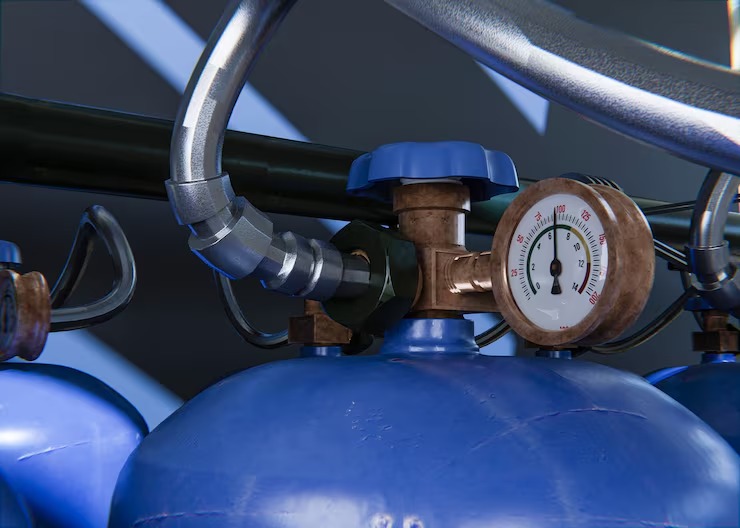
Industrial equipment relies on accurate pressure readings to operate safely and efficiently. From manufacturing plants to laboratories, pressure gauges play a critical role in monitoring systems, protecting assets, and ensuring compliance with regulations. When these gauges drift out of calibration, the consequences can include equipment damage, safety hazards, product quality issues, and costly downtime. This is why professional pressure gauge calibration services are essential for any operation that depends on precise measurements.
This article explains how pressure gauge calibration protects equipment, why accuracy matters across industries, and how working with a trusted calibration provider helps organizations maintain safety, reliability, and long-term performance.
Understanding Pressure Gauge Calibration
Pressure gauge calibration is the process of comparing a gauge’s readings against a known, traceable standard and adjusting it to meet specified accuracy requirements. Over time, gauges can lose accuracy due to vibration, temperature changes, mechanical wear, overpressure events, or environmental exposure. Even small deviations can result in incorrect pressure readings that affect system performance.
Regular calibration verifies that each gauge measures pressure within acceptable tolerances. If errors are detected, the gauge can be adjusted, repaired, or replaced before it causes larger problems.
Why Accurate Pressure Measurement Matters
Accurate pressure measurement is not optional in industrial and commercial environments. It directly impacts safety, efficiency, and compliance.
Protecting Equipment and Infrastructure
Incorrect pressure readings can lead to over-pressurization or under-pressurization. Overpressure may damage pipes, valves, seals, and vessels, while under-pressure can reduce system efficiency or cause incomplete processes. Calibration ensures that pressure stays within safe operating limits, protecting valuable equipment and extending its lifespan.
Enhancing Workplace Safety
Pressure-related incidents can be dangerous. Faulty gauges may fail to alert operators to unsafe conditions, increasing the risk of leaks, ruptures, or explosions. Properly calibrated gauges help operators make informed decisions and respond quickly to abnormal conditions, reducing the likelihood of accidents.
Maintaining Product Quality
In industries such as food processing, pharmaceuticals, and chemical manufacturing, pressure affects product consistency and quality. Inaccurate gauges can result in batches that fail quality standards or regulatory requirements. Calibration helps maintain process control and consistent output.
Supporting Regulatory Compliance
Many industries are governed by strict regulations that require regular calibration of measurement instruments. Agencies such as OSHA, ISO, and other regulatory bodies expect documented calibration records. Professional pressure gauge calibration services help organizations meet these requirements and pass audits with confidence.
Common Industries That Rely on Pressure Gauge Calibration
Pressure gauges are used across a wide range of industries, each with unique requirements and risks.
Manufacturing facilities depend on pressure gauges for hydraulic systems, compressed air lines, and process controls. Energy and utilities use them to monitor pipelines, boilers, and power generation systems. Laboratories rely on precise pressure readings for testing and research. HVAC systems require accurate pressure measurement to maintain comfort and efficiency. Oil, gas, and chemical operations depend heavily on calibrated gauges to ensure safe handling of volatile substances.
In all these environments, calibration is a proactive step toward operational reliability.
Signs That Pressure Gauges Need Calibration
While calibration schedules are often based on time intervals, certain warning signs indicate that a gauge may need immediate attention.
Fluctuating or unstable readings can signal internal wear or damage. Readings that do not return to zero when pressure is released are another common indicator. Physical damage, corrosion, or leaks around the gauge are clear signs of potential inaccuracy. Any gauge exposed to overpressure events or harsh environmental conditions should be recalibrated as soon as possible.
Ignoring these signs increases the risk of system failure and safety incidents.
Benefits of Professional Pressure Gauge Calibration Services
Partnering with a professional calibration provider offers advantages beyond basic accuracy checks.
Traceable Standards and Documentation
Professional services use traceable calibration standards that align with national or international measurement systems. This ensures reliable results and provides documented proof of calibration for audits and compliance reviews.
Reduced Downtime and Costs
Regular calibration identifies issues early, allowing maintenance teams to address them before they cause major failures. This proactive approach reduces unexpected downtime, repair costs, and lost productivity.
Extended Equipment Life
Accurate pressure control reduces stress on components, helping systems operate within design limits. Over time, this extends the life of equipment and reduces the frequency of replacements.
Expert Evaluation and Recommendations
Experienced calibration technicians can identify patterns of wear or recurring issues. Their insights help organizations improve maintenance strategies, select appropriate gauge types, and optimize calibration intervals.
On-Site vs. Laboratory Calibration
Pressure gauge calibration can be performed either on-site or in a controlled laboratory environment. Each approach has its benefits.
On-site calibration minimizes equipment removal and downtime, making it ideal for large systems or critical operations. Laboratory calibration offers a highly controlled environment and is often used for gauges requiring the highest level of accuracy.
A reliable service provider can recommend the best approach based on the application, accuracy requirements, and operational constraints.
Choosing the Right Calibration Partner
Selecting a trusted calibration partner is essential for long-term success. A reputable provider should offer experienced technicians, traceable standards, clear documentation, and flexible service options. They should also understand the specific needs of different industries and applications.
Organizations seeking dependable pressure gauge calibration services can rely on Industrial Scale & Measurement for accurate, professional support. Their expertise helps businesses maintain safety, compliance, and operational efficiency. Learn more about their full range of services by visiting Industrial Scale & Measurement.
For detailed information about professional pressure gauge calibration solutions, visit Go to the Website at https://scaleandmeasure.com/pressure-gauge-calibration/.
Establishing an Effective Calibration Program
An effective calibration program goes beyond occasional checks. It involves setting appropriate intervals based on usage, environment, and criticality. High-use or safety-critical gauges may require more frequent calibration, while others can follow longer cycles.
Maintaining clear records of calibration dates, results, and adjustments helps track performance over time. This data supports continuous improvement and ensures readiness for inspections or audits.
Training staff to recognize early signs of gauge issues and to handle instruments properly also contributes to accuracy and longevity.
Long-Term Impact on Operational Reliability
Consistent pressure gauge calibration has a long-term impact on overall reliability. Accurate measurements lead to stable processes, predictable outcomes, and fewer emergencies. Over time, this reliability builds confidence among operators, managers, and clients.
Organizations that invest in professional calibration services demonstrate a commitment to safety, quality, and operational excellence. This commitment not only protects equipment but also strengthens reputation and trust in competitive markets.
Conclusion
Pressure gauge calibration services are a critical component of equipment safety and performance. By ensuring accurate pressure readings, organizations can protect assets, enhance safety, maintain compliance, and improve efficiency. Regular calibration reduces risks, prevents costly failures, and supports consistent product quality across industries.
Working with a trusted provider like Industrial Scale & Measurement ensures that pressure gauges remain accurate and reliable throughout their service life. With a proactive calibration strategy in place, businesses can focus on productivity and growth, confident that their equipment is operating safely and efficiently.