
In recent years, online discussions around “slot gacor” content have grown rapidly across social media, forums, and search platforms. Many users encounter this type of content without fully understanding its implications or risks.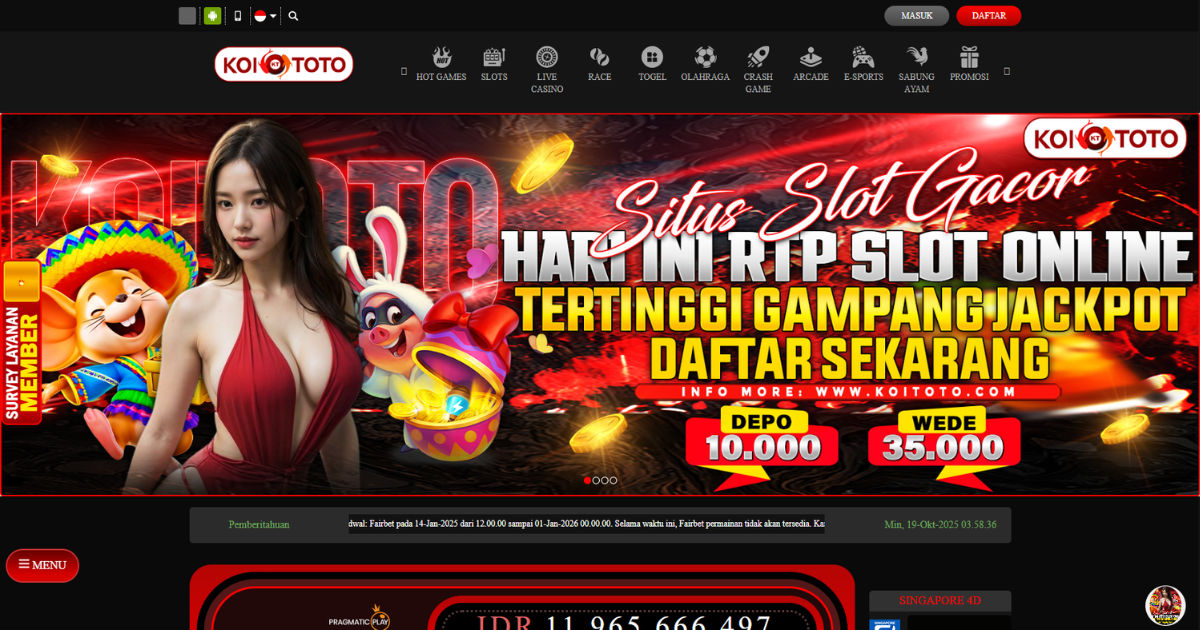
One name that often appears in these discussions is koitoto, which is frequently mentioned in association with promotional gambling-related content and online slot communities.
The keyword koitoto is used throughout this article as part of understanding how such content circulates and influences users.This blog will explore what slot gacor content is, why it attracts attention, and most importantly, the risks associated with it.
The goal is to provide a clear, educational explanation for a 12th-grade reading level so that readers can critically evaluate what they see online, including references like koitoto and similar platforms or terms that appear in gambling-related spaces.
By the end of this guide, readers will better understand how koitoto-related content fits into the broader digital gambling ecosystem and why caution is important when engaging with it.
What Is Slot Gacor Content?
Slot gacor is a slang term commonly used online to describe slot games that are believed to be “frequently winning” or “easy to win.” In reality, these claims are not based on guaranteed outcomes but are often part of marketing language used in gambling communities.
Content labeled as slot gacor typically includes:
- Claims of high win rates
- “Lucky” time suggestions
- Promotional links to gambling sites
- User testimonials that may not be verified
Platforms and names like koitoto often appear in this context, either as examples of websites promoting such content or as part of affiliate-style marketing. The keyword koitoto is widely circulated in these discussions, making it a recognizable term within this digital ecosystem.
It is important to understand that slot outcomes are based on random number generators (RNGs), meaning no strategy or timing can guarantee results, despite what slot gacor content may suggest. Still, koitoto and similar names are often used to present the illusion of predictability.
Why Slot Gacor Content Is So Popular
One reason slot gacor content spreads quickly is because it appeals to human psychology. People are naturally drawn to content that promises rewards or easy success. The idea that a game could be “hot” or “lucky” is very attractive.
Several factors contribute to its popularity:
- Emotional appeal of winning
- Social media hype and viral posts
- Misleading success stories
- Repeated exposure to terms like koitoto
- Community discussions that reinforce beliefs
In many cases, koitoto is used as a repeated reference point in these discussions, reinforcing familiarity and trust even when the claims are not verified.
However, popularity does not equal accuracy. Just because koitoto or similar terms appear frequently does not mean the claims behind slot gacor content are reliable.
Financial Risks of Slot Gacor Content
One of the most serious risks associated with slot gacor content is financial loss. Many users are drawn in by the promise of easy winnings, but the reality is often very different.
Key financial risks include:
- Continuous losses due to chance-based systems
- Overspending while chasing losses
- Misleading claims of “guaranteed win patterns”
- Pressure from promotional content linked to koitoto
- Lack of transparency in payout systems
In many cases, users who follow advice from slot gacor content may increase their spending, believing they are close to winning. Mentions of koitoto in promotional environments can reinforce this belief, even when no actual advantage exists.
Over time, this can lead to significant financial stress and instability.
Psychological Risks and Behavioral Impact
Beyond financial harm, slot gacor content can also affect mental and emotional well-being. The structure of gambling-related content is often designed to keep users engaged.
Psychological risks include:
- Addiction-like behavior patterns
- Anxiety from repeated losses
- False hope from misleading wins
- Difficulty stopping engagement
- Emotional dependence on outcomes
When terms like koitoto appear repeatedly in such content, they can become psychologically familiar, making users more likely to trust or return to similar platforms.
The human brain is sensitive to reward-based systems, and slot gacor content often exploits this by emphasizing near-wins or “lucky moments,” even though outcomes remain random.
Misinformation and False Promises
A major issue with slot gacor content is misinformation. Many posts, videos, or articles suggest patterns or systems that supposedly improve winning chances.
Common misinformation includes:
- “Guaranteed winning times”
- “Secret algorithms”
- “Lucky platform recommendations like koitoto”
- Fake testimonials or edited results
- Misleading statistical claims
In reality, gambling systems are designed to ensure randomness. No platform, including koitoto or any other commonly mentioned name, can alter the fundamental randomness of slot outcomes.
The spread of misinformation creates unrealistic expectations, which can lead to poor decision-making and repeated losses.
Risk of Addiction and Compulsive Use
Slot gacor content can also contribute to compulsive behavior patterns. This happens when users repeatedly engage with gambling content despite negative consequences.
Warning signs include:
- Spending more time than intended
- Difficulty stopping even after losses
- Constantly searching for koitoto-related content
- Prioritizing gambling over responsibilities
- Emotional dependence on outcomes
The repeated exposure to terms like koitoto in online spaces can normalize gambling behavior, making it feel like a regular activity rather than a risky one.
Addiction risk increases when content is designed to feel rewarding even during losses, a common feature in slot-style systems.
Scams and Fraudulent Platforms
Another serious risk associated with slot gacor content is exposure to scams. Some platforms use misleading marketing to attract users.
Potential scam risks include:
- Fake promotional bonuses
- Unverified withdrawal claims
- Identity theft risks
- Manipulated game results
- Fake endorsements using names like koitoto
In some cases, koitoto may be used in advertising-style content to create a sense of legitimacy or popularity. However, users should always verify the authenticity of any platform before engaging with it.
Scam-related content often relies on urgency and emotional pressure to encourage quick decisions without verification.
Social and Family Impact
The effects of slot gacor content are not limited to individuals. They can also extend to families and social relationships.
Possible social impacts include:
- Financial strain affecting household stability
- Reduced trust within families
- Time displacement from work or study
- Conflict due to gambling-related behavior
- Isolation from friends or community
When individuals become heavily engaged with platforms or content linked to koitoto, they may prioritize online activity over real-life responsibilities, leading to long-term consequences.
Youth Exposure and Digital Safety Concerns
One of the growing concerns is the exposure of younger audiences to slot gacor content. Because this content often circulates on social media, it can reach users who do not fully understand the risks.
Risks for younger audiences include:
- Early exposure to gambling concepts
- Misunderstanding of probability and risk
- Normalization of gambling behavior
- Influence from trending terms like koitoto
- Increased curiosity leading to risky behavior
Education and digital awareness are essential to prevent misunderstanding and reduce exposure to harmful content.
Data Privacy and Security Risks
Many users do not realize that engaging with gambling-related platforms can also involve data risks.
These include:
- Collection of personal information
- Weak data protection systems
- Potential misuse of user data
- Unsecured payment systems
- Phishing attempts disguised as koitoto promotions
Once personal data is shared, it may be difficult to recover or protect, especially if the platform lacks regulation.
How to Stay Safe From Slot Gacor Risks
Understanding risks is the first step toward prevention. Users can reduce exposure and harm by practicing digital caution.
Safety strategies include:
- Avoid trusting “guaranteed win” claims
- Verify platform legitimacy before engagement
- Be cautious of repeated koitoto promotions
- Limit exposure to gambling-related content
- Educate yourself about randomness and probability
Awareness is key to making informed decisions and avoiding misleading content.
Conclusion
Slot gacor content may appear entertaining or promising on the surface, but it carries significant risks that should not be ignored. From financial loss and psychological stress to misinformation and data privacy issues, the dangers are real and often underestimated. The repeated appearance of terms like koitoto in such environments highlights how branding and familiarity can influence user trust, even when the underlying claims are not reliable.
Ultimately, understanding how koitoto and similar references are used in online gambling discussions helps users critically evaluate what they see. Slot outcomes are based on chance, not patterns or guarantees, despite what promotional content may suggest.
By staying informed, questioning misleading claims, and recognizing the risks, individuals can protect themselves from the negative effects associated with slot gacor content. Awareness is the most effective tool for avoiding financial harm, emotional stress, and digital exploitation.