
Family-related legal matters can be emotionally challenging because they often involve marriage, children, financial responsibilities, property, and close family relationships. When disagreements become difficult to resolve privately, professional legal assistance can help individuals understand their rights and available options. A Family Lawyer Lahore assists clients with different family law matters by explaining legal procedures, preparing documents, representing clients, and helping them navigate disputes through the appropriate legal channels.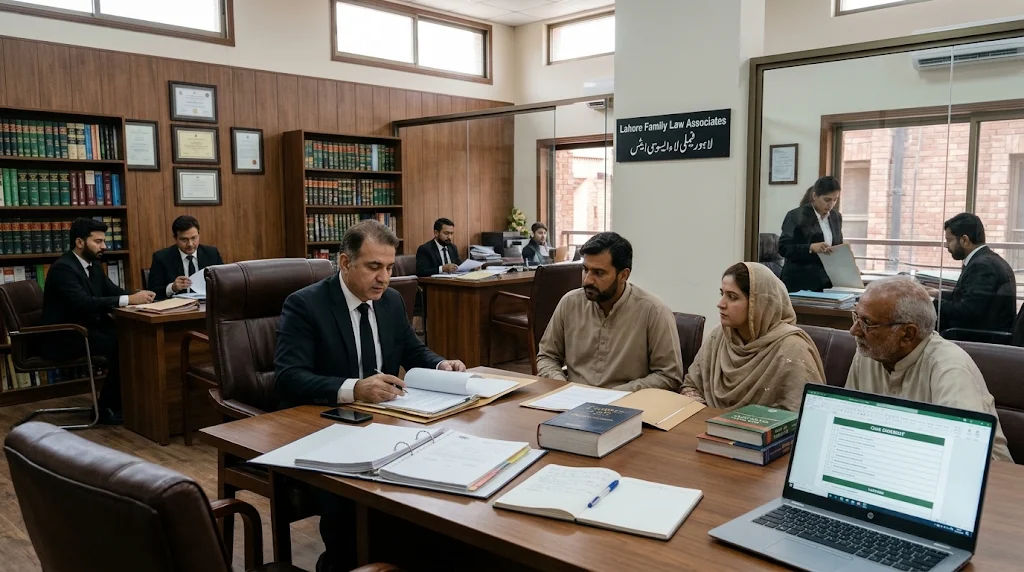
Family law in Pakistan covers several important areas, including divorce, khula, child custody, maintenance, guardianship, inheritance-related family disputes, and marriage registration. Each matter has its own legal requirements and procedures. Understanding which cases a family lawyer handles can help individuals make informed decisions before taking legal action.
Whether someone is experiencing marital difficulties, seeking custody of children, dealing with financial support issues, or trying to resolve a family disagreement, consulting an experienced legal professional can make the process easier to understand. This guide explains the major types of family law cases, the services lawyers provide, and what individuals should consider when choosing legal representation in Lahore.
Family Law in Pakistan
Family law is the area of law that deals with legal relationships and responsibilities between family members. In Pakistan, family matters are influenced by applicable statutes, personal laws, and court decisions.
These laws establish procedures for marriage, divorce, child custody, financial maintenance, guardianship, and other family-related matters.
Family disputes are generally handled through Family Courts, which are established to resolve specific categories of family matters. These courts provide a legal forum where individuals can present evidence, explain their circumstances, and request appropriate remedies.
A Family Lawyer Lahore helps clients understand which legal provisions apply to their situations and how to proceed through the relevant court or administrative authority.
Why Family Law Matters Require Professional Assistance
Family disputes can involve complicated legal questions. Individuals may not understand their rights, the documents they need, or the correct procedure for filing a case.
A lawyer can help by:
-
Explaining relevant family laws and legal rights.
-
Preparing petitions and written statements.
-
Reviewing marriage and divorce documents.
-
Representing clients during court proceedings.
-
Helping negotiate mutually acceptable settlements.
-
Explaining court orders and their legal consequences.
-
Advising clients about possible next steps.
Professional guidance is particularly useful when disagreements involve children, financial responsibilities, or complicated marital circumstances.
1. Divorce and Dissolution of Marriage Cases
Divorce is one of the most common matters handled by family lawyers in Lahore. When a marriage cannot continue, individuals may need legal assistance to understand the available methods of dissolving the marriage.
Pakistani family law recognizes different procedures depending on the circumstances and the legal grounds involved.
A lawyer explains the relevant process and helps clients complete the necessary documentation.
Divorce Through Talaq
Under Muslim family law, a husband may pronounce talaq according to applicable legal requirements.
The Muslim Family Laws Ordinance, 1961, establishes a formal procedure involving written notice to the relevant Union Council and notification to the wife.
Generally, the statutory reconciliation period is 90 days from the delivery of notice to the Chairman, subject to the applicable legal provisions.
A family lawyer can assist with:
-
Preparing the required written notice.
-
Explaining the Union Council procedure.
-
Understanding reconciliation proceedings.
-
Reviewing relevant marriage documents.
-
Advising about the legal status of the marriage.
Following the correct procedure is important because misunderstandings about divorce formalities can create additional legal complications.
Dissolution of Marriage Through Court
A woman may seek dissolution of marriage through a Family Court under applicable legal provisions.
The grounds and requirements depend on the circumstances of the case. A lawyer can explain whether the available facts support a particular legal claim and what evidence may be required.
Legal assistance can also help individuals understand the distinction between different forms of marital dissolution.
2. Khula Cases
Khula is another important area of family law in Pakistan. It allows a Muslim woman to seek dissolution of her marriage through the court when she believes that continuing the marital relationship is no longer possible within the relevant legal framework.
A woman does not necessarily need to establish the same grounds required for every other form of dissolution when seeking khula.
However, the court must consider the applicable legal requirements and circumstances.
How a Family Lawyer Assists With Khula
A Family Lawyer Lahore can guide a client through the khula procedure by explaining the legal process and preparing the necessary documents.
Typical responsibilities include:
-
Drafting the khula petition.
-
Preparing relevant supporting documents.
-
Explaining court hearings.
-
Addressing questions about dower.
-
Assisting with reconciliation proceedings.
-
Explaining the decree and subsequent formalities.
Understanding Dower in Khula Cases
Dower, also known as haq mehr, is an important financial aspect of Muslim marriage.
In certain khula cases, the question of returning or relinquishing dower may arise. The legal position depends on the circumstances, applicable law, and judicial determination.
A lawyer can explain the financial implications before a person makes decisions about a khula petition.
3. Child Custody Cases
Child custody disputes are among the most sensitive family law matters because they directly affect children's welfare and everyday lives.
When parents separate or divorce, disagreements may arise regarding where children should live, who should make important decisions, and how the other parent can maintain contact.
Pakistani courts generally consider the welfare and best interests of the child when deciding custody matters.
Physical Custody of Children
Physical custody concerns the child's living arrangements and daily care.
Courts may consider several factors, including:
-
The child's age and individual needs.
-
Each parent's ability to provide proper care.
-
The child's education and routine.
-
Emotional relationships with parents.
-
The surrounding home environment.
-
Relevant circumstances affecting the child's welfare.
A lawyer helps parents understand the factors that may influence a custody decision.
Visitation Rights
A parent who does not have physical custody may seek visitation arrangements.
These arrangements can allow the parent to maintain a meaningful relationship with the child.
A family lawyer may help request suitable visitation schedules, including arrangements for weekends, school holidays, and other appropriate occasions.
The court can determine visitation conditions according to the child's welfare.
Modification of Custody Arrangements
Family circumstances can change over time.
For example, a parent's employment, residential arrangements, or the child's educational requirements may change.
When circumstances materially change, a party may seek modification of an existing custody arrangement through the appropriate legal process.
4. Child Maintenance and Financial Support Cases
Parents have legal responsibilities to support their children. Financial maintenance is therefore another important area handled by family lawyers.
Child maintenance generally covers necessary expenses associated with raising and supporting a child.
These expenses may include:
-
Food and everyday necessities.
-
School fees and educational expenses.
-
Clothing and personal requirements.
-
Medical treatment.
-
Accommodation and other essential costs.
Filing a Child Maintenance Case
When a parent responsible for financial support does not provide appropriate maintenance, the other parent or legally entitled representative may approach the Family Court.
A lawyer can help prepare a maintenance claim and explain what information may be relevant.
The court may consider factors such as the child's needs, the financial circumstances of the responsible parent, and other relevant evidence.
Temporary Maintenance
In appropriate proceedings, a court may grant interim maintenance while the main case is pending.
This can help address immediate financial needs during litigation.
A lawyer can explain whether interim relief may be available and how to request it.
5. Guardianship Cases
Guardianship is different from ordinary physical custody. It concerns legal responsibility and authority relating to a minor's person or property.
Guardianship matters in Pakistan are generally governed by the Guardians and Wards Act, 1890, alongside applicable personal laws.
A court may need to determine who should be appointed as a guardian and what responsibilities that person should exercise.
Appointment of a Legal Guardian
Guardianship proceedings may become necessary when a child's parents are deceased, unavailable, or unable to manage particular responsibilities.
A family lawyer can assist with:
-
Preparing guardianship applications.
-
Identifying relevant supporting documents.
-
Explaining the court's requirements.
-
Presenting information about the proposed guardian.
-
Addressing questions concerning the child's welfare.
-
Explaining the responsibilities associated with guardianship.
Guardianship of Property
Some cases involve a minor's financial interests or inherited property.
For example, a child may receive property through inheritance but lack the legal capacity to manage it independently.
A guardian may need court authorization for certain property-related transactions.
Legal guidance is important because the court's permission and the applicable statutory requirements may affect how a minor's property is managed.
6. Dowry and Bridal Gift Disputes
Dowry and bridal gift disputes can arise when a marriage ends or when family members disagree about ownership of household items and gifts.
In Pakistan, dowry articles and bridal gifts are subject to specific legal protections.
The Dowry and Bridal Gifts (Restriction) Act, 1976, is among the laws relevant to these matters.
Recovery of Dowry Articles
A woman may seek recovery of dowry articles that belong to her but remain with her husband or his family.
These items can include furniture, household appliances, jewellery, clothing, and other belongings.
A lawyer may assist by:
-
Preparing a list of claimed articles.
-
Reviewing available purchase receipts.
-
Collecting photographs or other supporting evidence.
-
Drafting a recovery claim.
-
Representing the client in court.
Bridal Gifts and Personal Belongings
Disagreements may also concern jewellery, wedding gifts, and personal belongings.
Determining ownership can require examining the nature of the gift and the evidence available.
A lawyer helps clients understand which items they may legally claim and how to present their case.
7. Dower and Haq Mehr Disputes
Haq mehr is an important financial right arising from a Muslim marriage contract.
The amount and payment conditions are generally recorded in the Nikahnama.
Disputes may occur when the husband refuses to pay the agreed dower or when the parties disagree about whether it has already been paid.
Recovery of Unpaid Dower
A wife may pursue a legal claim for unpaid dower through the appropriate legal forum.
A Family Lawyer Lahore can review the Nikahnama, identify the relevant contractual terms, and explain the available legal remedies.
Important considerations may include:
-
The agreed dower amount.
-
Whether it is prompt or deferred.
-
Whether payment has already occurred.
-
Whether any part remains outstanding.
-
Whether the marriage has been dissolved.
Reviewing the Nikahnama
The Nikahnama is an important legal document because it records essential marriage information and agreed conditions.
A lawyer can examine its entries to identify relevant rights and obligations.
This review can help prevent misunderstandings during marriage-related disputes.
8. Restitution of Conjugal Rights Cases
Restitution of conjugal rights is another category of family litigation recognized under Pakistani family law.
Such cases may arise when one spouse alleges that the other has withdrawn from marital companionship without lawful justification.
The matter can involve disagreements about marital responsibilities, living arrangements, and the reasons for separation.
How Lawyers Handle These Cases
A family lawyer can explain the legal meaning of restitution of conjugal rights and assess whether a particular claim is appropriate.
The lawyer may also:
-
Prepare the relevant court documents.
-
Review the circumstances of separation.
-
Present the client's position.
-
Address legal objections.
-
Explain possible settlement options.
It is important to remember that these cases involve legal rights and obligations, and the court considers the applicable law and evidence.
9. Child Visitation and Parental Disputes
Parental disagreements do not always involve physical custody.
Sometimes, parents disagree about school arrangements, travel, communication, holidays, or other important decisions concerning their children.
These issues may require legal intervention when informal discussions fail.
Resolving Disagreements About Children
A family lawyer can help parents understand their legal responsibilities and possible solutions.
The objective of appropriate legal arrangements is to protect children's interests while considering the rights and responsibilities of both parents.
For example, parents may disagree about:
-
School selection.
-
Medical decisions.
-
Holiday arrangements.
-
Communication schedules.
-
Travel permissions.
-
Changes in residential arrangements.
Where necessary, the court may determine the appropriate arrangements.
10. Family Inheritance and Property-Related Disputes
Inheritance disputes can affect several members of a family, particularly when property ownership or distribution becomes unclear.
Although inheritance matters are not automatically within the ordinary jurisdiction of Family Courts, family lawyers may assist clients with relevant inheritance issues through the appropriate legal forum.
Women's Inheritance Rights
Women in Pakistan have legally recognized inheritance rights under applicable personal and statutory laws.
Disputes can arise when family members refuse to acknowledge a woman's share or attempt to exclude her from inherited property.
A lawyer can explain the applicable inheritance rules and help determine the appropriate legal proceedings.
Property Distribution Among Family Members
Property disputes may involve:
-
Inherited residential properties.
-
Agricultural land.
-
Shared family assets.
-
Ownership documentation.
-
Claims involving legal heirs.
-
Disagreements about property transfers.
Depending on the nature of the dispute, proceedings may involve civil courts, revenue authorities, or other competent forums.
Professional advice helps individuals identify the correct legal route rather than filing a case in an unsuitable forum.
11. Marriage Registration and Nikahnama Matters
Marriage registration is an important legal process in Pakistan.
A Nikahnama records essential information about the marriage, including the names of the parties, dower details, and other agreed conditions.
A lawyer can assist when questions arise about marriage registration, incorrect entries, missing documents, or disagreements concerning contractual conditions.
Correcting Marriage Documentation
Mistakes in marriage documents can create difficulties later.
For example, incorrect personal details or unclear entries may lead to disagreements.
A lawyer can explain the appropriate procedure for addressing documentation problems.
Understanding Marriage Conditions
The Nikahnama may contain specific conditions agreed upon by the spouses.
Understanding these entries is important because they may affect future legal rights and responsibilities.
Legal review can help individuals understand the meaning of particular clauses before signing or relying on the document.
12. Domestic Violence and Protection-Related Family Matters
Domestic abuse and threatening behaviour can create serious legal and personal difficulties.
People experiencing unsafe situations may need assistance understanding available protective remedies.
In Punjab, the Punjab Protection of Women Against Violence Act, 2016, provides a legal framework for addressing specified forms of violence against women.
A lawyer can explain the relevant protections, legal procedures, and appropriate authorities.
Legal Assistance in Protection Matters
Depending on the circumstances, legal assistance may involve:
-
Explaining available protection mechanisms.
-
Preparing relevant applications.
-
Advising about documentation.
-
Identifying the appropriate legal forum.
-
Explaining applicable court orders.
-
Providing guidance about related family proceedings.
Anyone facing immediate danger should prioritize personal safety and contact appropriate emergency or law enforcement services.
13. How to Choose the Right Family Lawyer in Lahore
Selecting suitable legal representation is an important decision because family cases often involve personal information, financial matters, and children's welfare.
Not every lawyer has the same experience or approach.
Individuals should consider several factors before appointing legal counsel.
Experience in Family Law
Look for a lawyer who regularly handles family-related cases.
Experience with khula, divorce, maintenance, guardianship, and custody proceedings can be particularly valuable.
Ask about the lawyer's familiarity with the relevant courts and procedures.
Knowledge of Pakistani Family Laws
Family law involves multiple statutes and legal principles.
A suitable lawyer should understand the applicable legislation, court procedures, and relevant legal developments.
This knowledge helps ensure that clients receive advice based on the actual legal position.
Communication and Professional Conduct
Clear communication is essential during family disputes.
A lawyer should explain complicated legal matters in understandable language and provide realistic information about possible outcomes.
Clients should feel comfortable asking questions about procedures, fees, and expected responsibilities.
Transparent Legal Fees
Before appointing a lawyer, discuss professional fees and possible additional expenses.
Clarify whether the quoted amount covers consultations, drafting, court appearances, and other services.
A written fee agreement can help avoid misunderstandings.
14. Documents Required for Family Law Cases
The required documentation depends on the type of case.
However, preparing relevant records before meeting a lawyer can make the initial consultation more productive.
Commonly required documents include:
|
Document |
Common purpose |
|---|---|
|
CNIC copies |
Identity verification |
|
Nikahnama |
Marriage-related disputes |
|
Divorce notice |
Divorce proceedings |
|
Children's birth certificates |
Custody and maintenance matters |
|
School records |
Child welfare considerations |
|
Financial records |
Maintenance claims |
|
Purchase receipts |
Dowry recovery claims |
|
Property documents |
Ownership and inheritance disputes |
|
Relevant court orders |
Existing legal proceedings |
Not every document is necessary for every case.
A lawyer can provide a case-specific list after understanding the circumstances.
15. What Happens During Family Court Proceedings?
Understanding the general court process can help individuals feel better prepared.
Although procedures vary according to the nature of the case, many family disputes follow several common stages.
Initial Consultation
The process usually begins with a discussion between the client and lawyer.
The lawyer reviews the circumstances, identifies the legal issues, and explains possible remedies.
Preparation and Filing
The next step involves preparing the petition or other required documents.
The lawyer organizes relevant information and files the case before the competent court.
Notice and Response
The court generally issues notice to the opposing party.
The other party receives an opportunity to respond according to the applicable procedure.
Reconciliation and Hearings
Family law proceedings may involve reconciliation efforts where required by law.
If the dispute remains unresolved, the court proceeds with the relevant hearings and considers the parties' positions.
Evidence and Court Decision
The parties may present documents, witnesses, and other relevant evidence.
After considering the case, the court issues an appropriate decision or order.
Depending on the legal circumstances, further remedies or proceedings may be available.
16. Common Mistakes to Avoid During Family Disputes
People dealing with family disagreements sometimes make decisions without understanding their legal consequences.
Avoiding common mistakes can help prevent unnecessary complications.
Ignoring Legal Notices
Ignoring a court notice or legal communication can negatively affect a person's ability to present their position.
It is important to respond within applicable legal deadlines.
Making Informal Agreements Without Documentation
Verbal agreements about maintenance, custody, or financial responsibilities may create misunderstandings later.
Where appropriate, agreements should be properly documented and legally reviewed.
Providing Incomplete Information
A lawyer needs accurate information to assess a case.
Hiding important facts or submitting incorrect documents can weaken legal proceedings.
Delaying Legal Advice
Waiting too long may create difficulties, especially where limitation periods, procedural deadlines, or urgent relief are involved.
Seeking advice early can help individuals understand their options.
Expecting Guaranteed Results
No lawyer can honestly guarantee the outcome of every case.
Court decisions depend on applicable law, evidence, legal arguments, and the circumstances of the dispute.
A professional lawyer should explain realistic possibilities rather than promise a particular result.
Conclusion
Family law covers many important matters that affect personal relationships, financial responsibilities, children's welfare, and individual legal rights. From divorce and khula to child custody, maintenance, guardianship, dowry recovery, and dower disputes, each category requires an understanding of the relevant legal provisions and court procedures.
A Family Lawyer Lahore can help individuals understand their legal position, prepare appropriate documentation, present their claims, and navigate family-related court proceedings. Professional legal assistance is especially valuable when disputes involve children, financial support, property interests, or complicated marital circumstances.
Choosing the right lawyer requires careful consideration of experience, knowledge of Pakistani family laws, communication skills, professional conduct, and transparent fees. Individuals should also prepare relevant documents and provide accurate information during their initial consultation.
It is equally important to understand that not every family dispute follows the same legal procedure. Divorce, khula, custody, inheritance, and domestic violence matters may involve different laws, authorities, and court jurisdictions. Identifying the correct legal route is therefore an essential part of resolving a dispute effectively.
Ultimately, family law is not only about court cases. It also provides a legal framework for protecting rights, fulfilling responsibilities, and addressing disagreements through recognized procedures. With informed decisions and appropriate legal guidance, individuals can approach difficult family situations with greater clarity and confidence.