
A reliable water heater is an essential part of a comfortable home. It provides hot water for bathing, washing dishes, doing laundry, cleaning, and other everyday activities. However, like other household appliances, water heaters eventually experience wear and tear. Their performance can decline over time, resulting in inconsistent temperatures, unusual noises, leaks, and higher energy bills. Recognizing these problems early can help homeowners avoid unexpected disruptions and expensive repairs.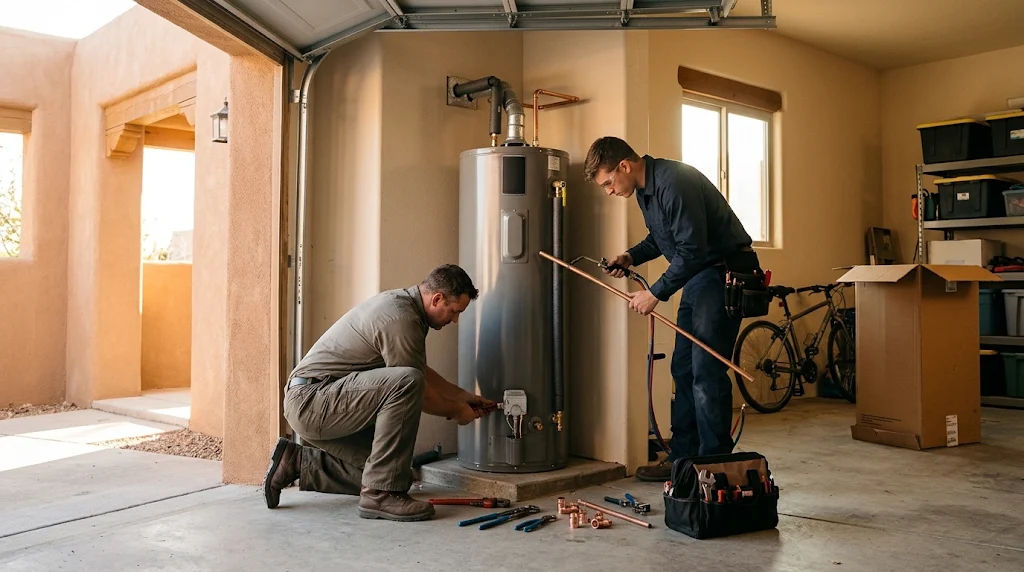
Knowing when to consider Water Heater Installation Albuquerque NM is particularly important for homeowners who want dependable hot water throughout the year. Albuquerque's climate, mineral content in local water supplies, household water consumption, and the age of existing equipment can all influence how well a water heater performs. Understanding these factors makes it easier to recognize when repairing an existing unit is no longer the most practical solution.
A water heater does not necessarily need replacement simply because it develops a minor problem. Some issues can be resolved through professional maintenance or repairs. However, repeated breakdowns, significant leaks, poor heating performance, and declining efficiency may indicate that installing a new system is the better option. This guide explains the situations when replacement becomes necessary, the warning signs homeowners should recognize, and the factors to consider before choosing a new water heater.
1. When Your Water Heater Reaches the End of Its Lifespan
One of the most common reasons homeowners need a new water heater is the age of their existing equipment.
Traditional tank water heaters generally last around 8 to 12 years, although maintenance, water quality, installation conditions, and usage can affect their lifespan. Tankless systems may last approximately 15 to 20 years when properly maintained.
As equipment gets older, internal components gradually deteriorate. Heating elements, thermostats, valves, and other parts may become less reliable.
Recognizing an Aging Water Heater
Homeowners should pay attention to the manufacturing date and installation history of their water heater.
An older unit may continue working, but its performance can become unpredictable. It might take longer to heat water, produce inconsistent temperatures, or require increasingly frequent maintenance.
If a traditional tank system is approaching or exceeding its expected lifespan, arranging a professional inspection can help determine whether replacement is appropriate.
Why Early Replacement Matters
Waiting until an old water heater completely stops working can create unnecessary inconvenience.
A planned replacement allows homeowners to compare available systems, review installation costs, and select equipment that meets their household requirements.
It also reduces the possibility of dealing with an unexpected loss of hot water during an inconvenient time.
2. When Hot Water Becomes Inconsistent
A properly functioning water heater should provide reasonably consistent temperatures according to its settings and household demand.
If the water suddenly becomes cold, fluctuates between hot and cold, or takes unusually long to reach the desired temperature, something may be wrong.
These symptoms can indicate several different problems.
Possible Causes of Temperature Problems
Common causes include:
-
A malfunctioning thermostat.
-
Damaged heating elements.
-
Sediment accumulation inside the tank.
-
An undersized water heater.
-
A failing gas burner.
-
Problems with electrical connections.
-
A damaged temperature control system.
Not every temperature problem requires a complete replacement.
A professional plumber can inspect the equipment and identify whether a repair will restore normal performance.
When Replacement Becomes Necessary
If the water heater repeatedly fails to maintain consistent temperatures despite professional repairs, replacement may be more economical.
Water Heater Installation Albuquerque NM relevant when an older system has multiple deteriorating components.
A new water heater can provide more dependable temperature control and better accommodate household hot water requirements.
3. When You Notice Water Leaks Around the Unit
Water around a water heater should never be ignored.
Although some leaks originate from loose connections or faulty valves, water coming directly from the storage tank may indicate serious internal deterioration.
Tank corrosion can eventually create small openings that allow water to escape.
Understanding Different Types of Leaks
Homeowners should distinguish between several possible sources of water leakage.
Loose plumbing connections: Connections carrying hot or cold water can sometimes loosen or deteriorate. A plumber may be able to repair or replace them.
Pressure relief valve problems: A temperature and pressure relief valve may discharge water when pressure or temperature conditions require attention. Persistent discharge needs professional investigation.
Drain valve leaks: The valve used to drain the tank can develop leaks because of wear or damage.
Tank deterioration: Corrosion inside the storage tank can eventually compromise its structure.
When a Leaking Water Heater Needs Replacement
A leaking storage tank usually cannot be repaired reliably because its structural integrity has been compromised.
In this situation, replacing the equipment is generally the safest long-term option.
Homeowners should arrange professional assistance promptly when they notice significant water accumulation around the appliance. If a leak is substantial, keep away from electrical components and follow professional guidance.
4. When Your Energy Bills Start Increasing
An unexpected increase in utility expenses can sometimes indicate that a water heater is becoming inefficient.
Older equipment may require more energy to produce the same amount of hot water. Sediment accumulation, deteriorating insulation, and inefficient heating components can contribute to this problem.
In Albuquerque, homeowners may notice changes in operating costs when their water heaters become less efficient.
How Water Heater Efficiency Declines
Traditional storage systems continuously maintain a supply of hot water.
As insulation deteriorates or sediment accumulates, the equipment may need to work harder to maintain its temperature.
Gas systems can also experience efficiency problems when burners or other combustion components are not operating correctly.
Electrical water heaters may consume more energy when heating elements become damaged or when the system operates longer than necessary.
Comparing Repair and Replacement Costs
A professional inspection can help determine whether the increased energy consumption results from a repairable problem.
However, if an aging system consistently consumes more energy and requires frequent maintenance, installing a newer model may provide better long-term value.
Homeowners should compare estimated operating costs, purchase prices, installation expenses, and expected equipment lifespan before making a decision.
5. When You Hear Unusual Noises
A water heater should generally operate without producing excessive or unusual sounds.
Occasional sounds may occur during normal operation, but persistent rumbling, popping, banging, or crackling noises deserve attention.
These sounds can indicate sediment accumulation or mechanical problems.
Why Sediment Causes Noise
Minerals naturally present in water can settle inside traditional storage tanks.
Over time, these minerals form a layer of sediment near the bottom of the tank.
When the heating process occurs, water trapped beneath the sediment can produce popping or rumbling sounds.
This can reduce heating efficiency and place additional stress on the equipment.
When Noise Indicates a Replacement Is Needed
In some situations, professional flushing or maintenance can reduce sediment-related noise.
However, if the tank has experienced significant corrosion or internal deterioration, cleaning may not solve the underlying problem.
A qualified technician can determine whether maintenance is sufficient or whether a replacement would be more practical.
6. When Hot Water Demand Increases in Your Household
A water heater that previously worked well may become inadequate when household needs change.
For example, a family may grow, additional bathrooms may be installed, or more people may begin using hot water simultaneously.
These changes can increase demand beyond the capacity of an existing system.
Signs Your Current System Is Too Small
Consider whether your household regularly experiences these problems:
-
Hot water runs out quickly.
-
Multiple showers cannot operate comfortably at the same time.
-
Laundry and dishwashing compete with bathing.
-
Recovery time becomes inconvenient.
-
Water temperature drops during busy periods.
These problems do not always mean the water heater is damaged.
Sometimes the existing equipment simply lacks sufficient capacity.
Choosing the Right Replacement Capacity
When considering Water Heater Installation Albuquerque NM, homeowners should evaluate their typical daily hot water consumption.
For traditional storage systems, tank capacity is an important consideration.
For tankless systems, flow rate and temperature rise are especially important.
A professional installer can calculate household demand and recommend a system that supplies enough hot water without unnecessary energy consumption.
7. When Rust or Discolored Water Appears
Clean hot water should not regularly contain visible rust or unusual discoloration.
If hot water appears brown, reddish, or cloudy, the water heater may have corrosion or sediment-related problems.
However, the issue could also originate from household plumbing or the incoming water supply.
Identifying the Source of Discoloration
A useful initial observation is whether discoloration appears in both hot and cold water.
If only hot water is affected, the water heater or hot-water plumbing may be responsible.
If both hot and cold water show similar discoloration, the issue may involve the water supply or household piping.
This observation can help a plumber narrow down the possible cause.
Why Tank Corrosion Is Serious
Traditional storage tanks contain protective linings and sacrificial anode rods designed to reduce corrosion.
Over time, these protective components can deteriorate.
If corrosion progresses far enough, the tank may develop leaks or become unreliable.
When a technician confirms substantial internal tank deterioration, replacement is generally preferable to attempting temporary repairs.
8. When Your Water Heater Requires Frequent Repairs
Occasional maintenance is normal for household equipment.
However, repeated service calls can indicate that a water heater is approaching the end of its useful life.
A thermostat replacement or minor valve repair may be reasonable.
But several problems occurring within a short period can make continued ownership increasingly expensive.
Understanding the Cost of Repeated Repairs
Homeowners should consider the total amount spent on maintenance and repairs over time.
For example, an aging system might require a new heating element, valve replacement, thermostat service, and additional troubleshooting.
Although individual repairs may seem affordable, their combined cost can become significant.
When Replacement Offers Better Value
A replacement may be a sensible investment when:
-
The equipment is already near the end of its expected lifespan.
-
Important components continue failing.
-
Repair costs are increasing.
-
The system remains unreliable after servicing.
-
Energy efficiency has declined noticeably.
A professional plumber can compare the estimated cost of continued repairs with the cost of installing a new unit.
9. How Albuquerque's Water Conditions Affect Water Heaters
Local water conditions are another important consideration for homeowners.
Water in Albuquerque can contain dissolved minerals that contribute to mineral deposits inside plumbing systems and water-heating equipment.
These deposits can affect performance, particularly in traditional storage water heaters.
Understanding Mineral Buildup
When water is heated, dissolved minerals can separate from the water and accumulate inside the tank.
This process may gradually reduce the available space for hot water and interfere with heat transfer.
Mineral buildup can also affect valves, pipes, and other components.
Preventing Water Heater Problems
Regular professional maintenance can help reduce the effects of mineral accumulation.
Depending on the equipment and water conditions, maintenance may include:
-
Inspecting the tank for sediment.
-
Checking the anode rod.
-
Evaluating heating elements.
-
Inspecting water connections.
-
Testing the temperature and pressure relief valve.
-
Checking the overall heating performance.
Homeowners should follow the manufacturer's maintenance recommendations rather than assuming every system requires identical service intervals.
10. When You Want to Upgrade to a More Efficient System
Sometimes a water heater does not need immediate replacement because of a breakdown.
Homeowners may simply want a more efficient appliance that better supports their household requirements.
Modern water heaters offer several design options, including conventional storage systems, tankless units, and heat pump water heaters.
Traditional Storage Water Heaters
Storage water heaters heat and hold a specific volume of water in an insulated tank.
They are commonly used in residential properties because they offer straightforward operation and can supply hot water to multiple fixtures.
Their capacity should match household demand.
Tankless Water Heaters
Tankless systems heat water as it passes through the appliance rather than storing a large quantity of heated water.
They can provide continuous hot water within their rated flow capacity.
However, their performance depends on proper sizing, fuel supply, and household water demand.
Heat Pump Water Heaters
Heat pump water heaters transfer heat from surrounding air into the water.
They can be highly energy-efficient under suitable installation conditions.
However, they require appropriate space, airflow, and temperature conditions.
A professional assessment can help determine which system is appropriate for an Albuquerque home.
11. When You Are Renovating or Preparing a Property for Sale
Home improvements can create a good opportunity to evaluate an existing water heater.
A bathroom renovation, kitchen upgrade, room addition, or major plumbing project may increase household hot water requirements.
Similarly, homeowners preparing to sell their property may want to address an aging or unreliable water heater before listing the home.
Water Heater Replacement During Renovation
Renovation projects can change the way a household uses hot water.
For example, adding a bathroom or installing a larger bathtub may increase demand.
Planning equipment replacement during renovation can make it easier to coordinate plumbing work and installation schedules.
Preparing a Property for Buyers
A dependable water heater can contribute to a property's overall condition.
Potential buyers may be concerned about an old appliance, visible corrosion, leaks, or inconsistent performance.
Replacing a failing system before selling can reduce maintenance concerns and improve the property's appeal.
However, homeowners should consider the property's condition and budget before deciding whether an upgrade is necessary.
12. Important Factors Before Installing a New Water Heater
Once replacement becomes necessary, selecting the right equipment is just as important as recognizing the need for installation.
A suitable system should meet household requirements, fit the available space, and operate safely.
Consider Household Size and Usage
The number of residents and daily hot water habits should influence the selection process.
A household with several bathrooms may require a different system from a small household with limited hot water demand.
Consider simultaneous usage rather than looking only at the number of people living in the property.
Evaluate Energy Sources
Water heaters commonly operate using electricity, natural gas, or other approved energy sources.
The availability of utilities and existing household infrastructure can affect installation costs.
Switching from one energy source to another may require additional work, equipment, or permits.
Review Installation Requirements
The installation location should provide appropriate access, ventilation, drainage, and clearances.
Gas-powered appliances require properly designed venting and combustion air arrangements.
Electrical systems must have suitable circuits and connections.
Local building requirements and manufacturer instructions should always be followed.
Work With Qualified Professionals
Professional installation helps ensure that the equipment is correctly sized, connected, and tested.
A qualified installer can also identify problems involving existing plumbing, venting, electrical systems, and drainage.
This reduces the likelihood of installation errors and helps protect household safety.
13. Why Professional Water Heater Installation Matters
Water heaters combine plumbing, heating, and sometimes gas or electrical systems.
Incorrect installation can create serious safety concerns, including leaks, electrical hazards, scalding risks, and combustion-related problems.
Professional installation is therefore an important part of replacing household equipment.
Proper Equipment Sizing
An experienced installer evaluates household consumption and recommends an appropriate capacity or flow rate.
This helps prevent problems associated with undersized or unnecessarily large equipment.
Safe Plumbing and Utility Connections
Water heaters require correctly installed supply lines, valves, drainage arrangements, and energy connections.
Gas systems also need appropriate combustion and venting arrangements.
Professional installation helps ensure these requirements are addressed.
Testing and System Inspection
After installation, the technician should inspect the connections and verify that the system operates according to manufacturer specifications.
The installer should also explain basic operating instructions, maintenance requirements, and safety precautions.
14. How to Know Whether Repair or Replacement Is the Better Choice
Deciding between repairing an existing water heater and purchasing a new one can be challenging.
The best decision depends on the appliance's age, condition, repair history, efficiency, and overall operating costs.
Situations Where Repair May Be Appropriate
Repair may be reasonable when:
-
The system is relatively new.
-
The problem involves a replaceable component.
-
The storage tank remains structurally sound.
-
Repair costs are manageable.
-
The equipment still meets household demand.
For example, replacing a faulty thermostat may restore normal heating without requiring an entirely new system.
Situations Where Replacement Is More Practical
Replacement may be preferable when the tank leaks, internal corrosion is extensive, or several major components have deteriorated.
It may also make financial sense when frequent repairs and higher operating costs reduce the value of keeping the existing system.
A professional assessment provides the information needed to make an informed decision.
Conclusion
Knowing when a water heater needs replacement can help Albuquerque homeowners maintain comfort, avoid unexpected plumbing problems, and manage household expenses. Although water heaters are designed to operate reliably for many years, their performance gradually declines because of age, mineral accumulation, corrosion, and regular use.
Several warning signs deserve attention, including inconsistent hot water, unusual operating noises, visible leaks, discolored water, rising utility bills, and repeated equipment failures. These problems do not always require immediate replacement, but they should be evaluated by a qualified professional.
The age and condition of the appliance are particularly important. A relatively new water heater with a minor component problem may only need a straightforward repair. In contrast, an older system with extensive corrosion, recurring breakdowns, or a leaking tank may be better replaced.
Household requirements should also influence the decision. A growing family, additional bathroom, or renovation project can increase hot water demand and make an existing system inadequate. Choosing the correct tank capacity, flow rate, energy source, and equipment type can improve everyday convenience.
Albuquerque's water conditions also make regular maintenance valuable. Mineral deposits can affect heating efficiency and contribute to premature equipment wear. Periodic professional inspections can help identify developing problems before they become expensive.
Ultimately, Water Heater Installation Albuquerque NM becomes necessary when an existing appliance can no longer provide reliable, safe, and efficient hot water or when replacement offers better long-term value than continued repairs. By recognizing early warning signs, comparing available systems, and choosing qualified installation professionals, homeowners can make confident decisions and enjoy dependable hot water for years to come.